Citizen Science Campaign — Science in Action, Community in Charge (TULIP)

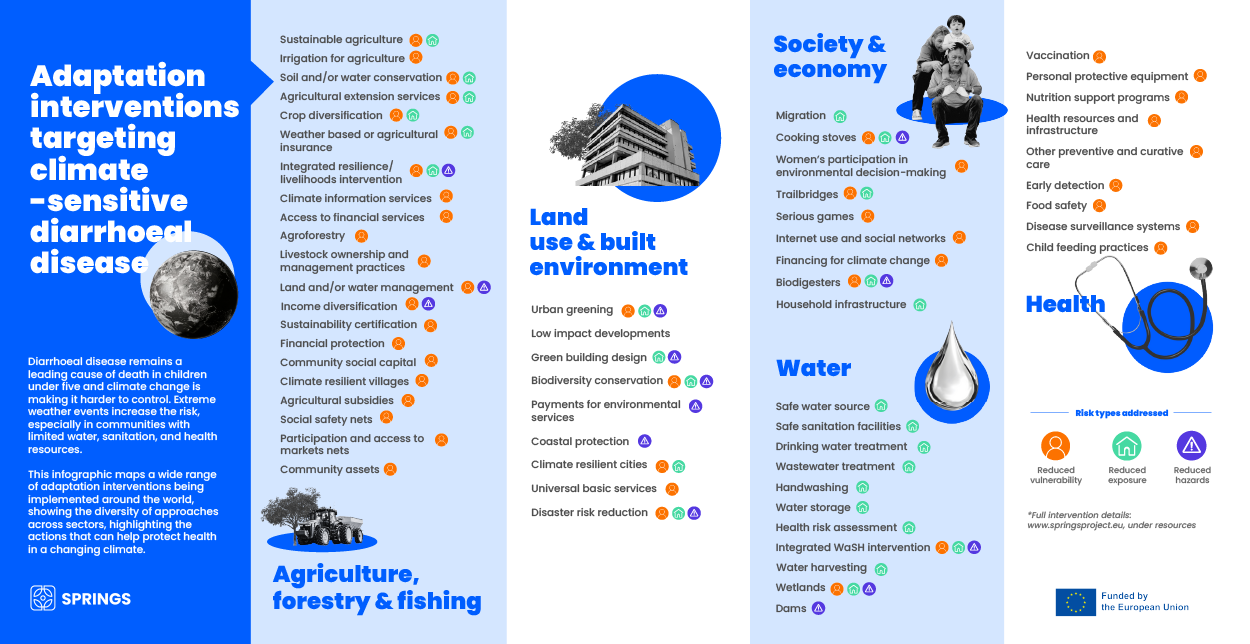
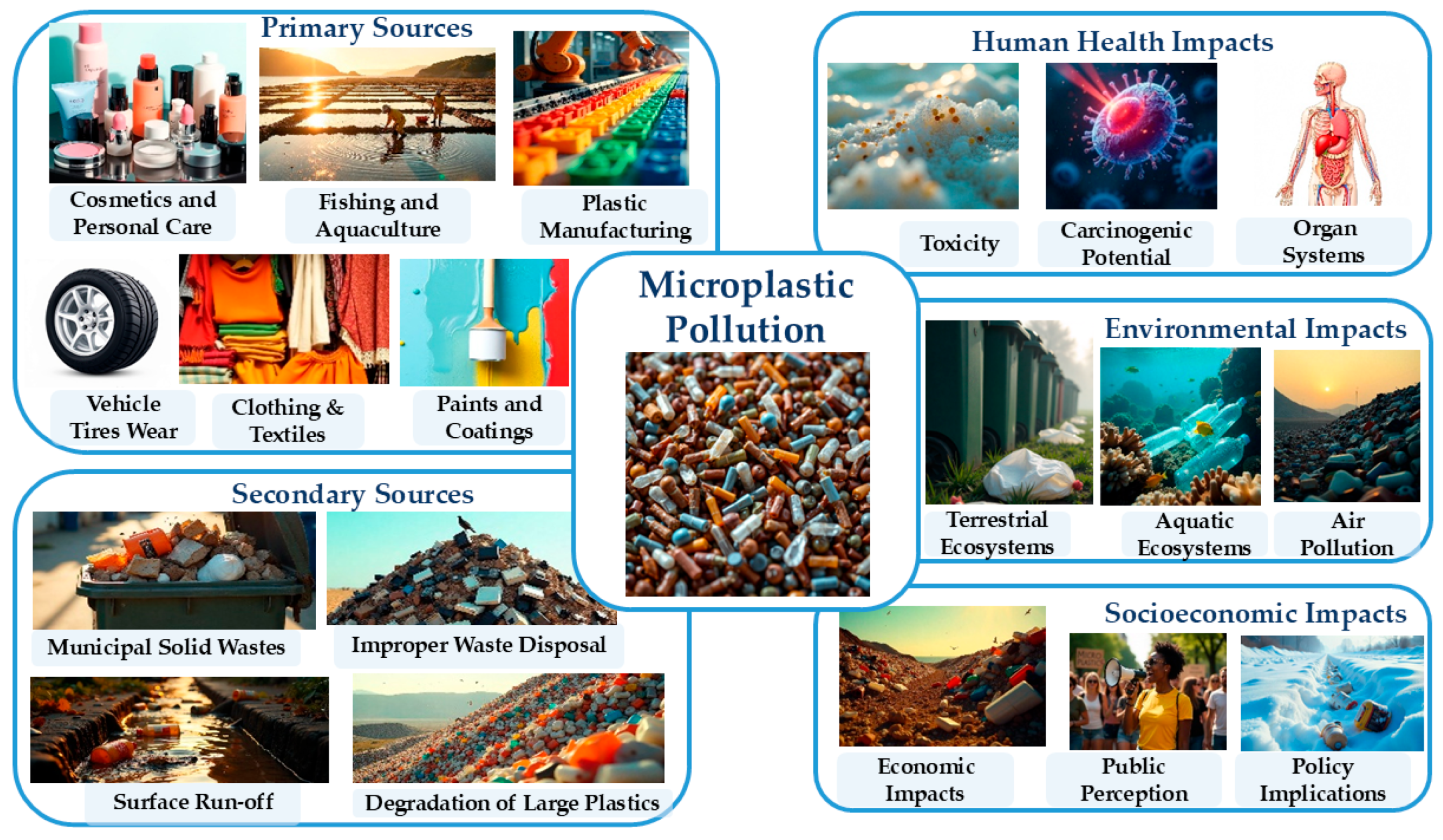
Across two energising days hosted by the Italian National Institute of Health (ISS) and the Innoceana team at the Aniene River study site, TULIP brought researchers, experts and local citizens together to tackle three linked threats—antimicrobial resistance (AMR), plastic pollution and climate change. The event combined classroom learning, group problem-solving and hands-on fieldwork to show how community-led monitoring can feed real science and policy.

Day 1 — Learn & Discuss
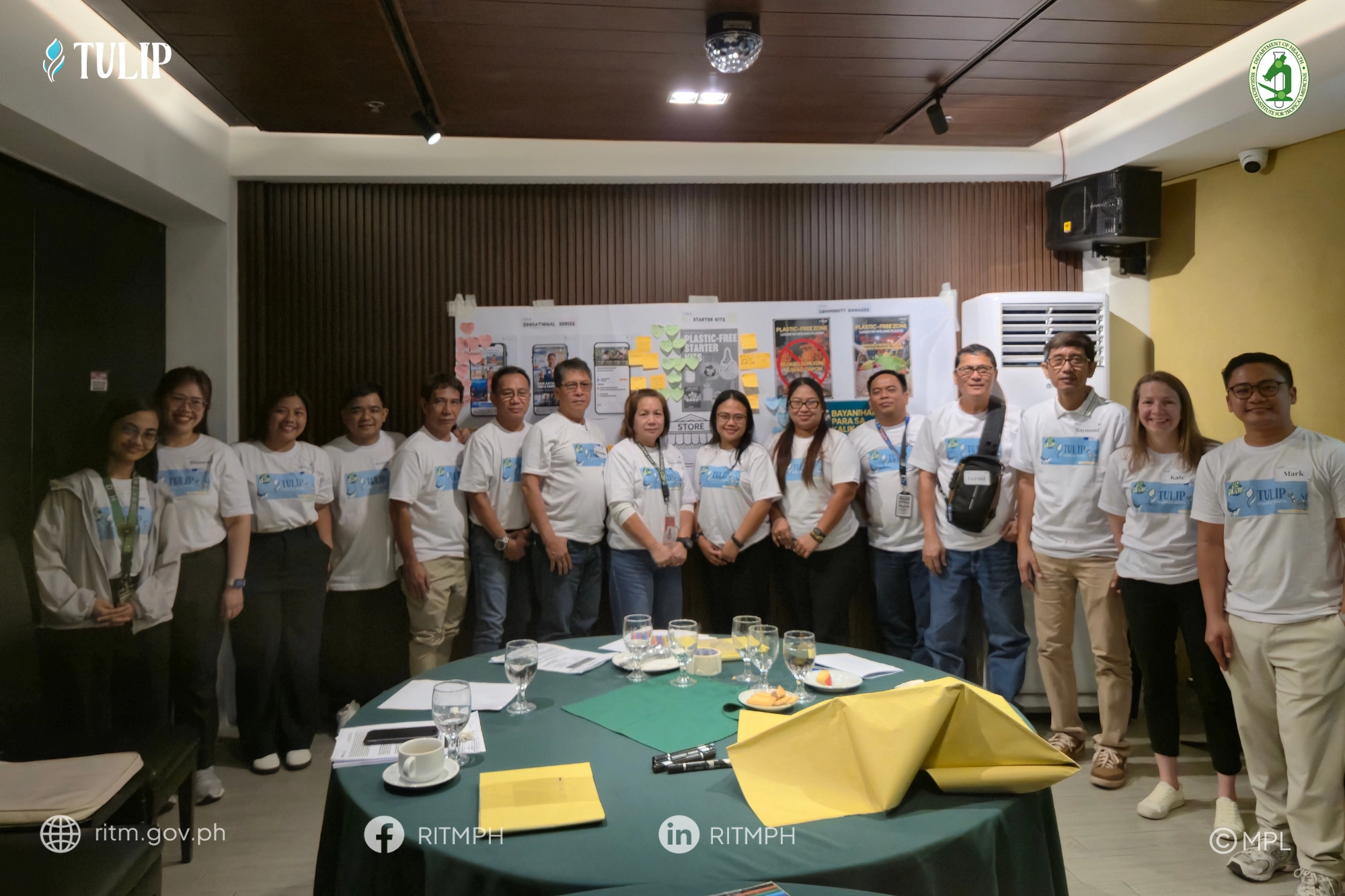
The first day mixed short lectures, interactive exercises and real-world case studies led by ISS and Innoceana. Participants split into four small groups to work directly with speakers, dig into the science and explore practical roles that citizens, students and researchers can play. Sessions emphasised shared responsibility, collaboration, and how grassroots data can influence both local action and broader policy.

Day 2 — Fieldwork & Practice
Day two moved to the riverbank. Under expert supervision, teams ran portable water-quality tests for pH, conductivity and turbidity and practised plastic and pathogen sampling using both scientific equipment and citizen-science protocols. Everyone contributed to sampling, recording results, and reflecting on how routine monitoring can detect changes and trigger interventions.

Learning, Feedback & Impact
Participants completed an anonymous baseline survey on Day 1 and a follow-up after Day 2. Responses showed clear gains in knowledge and confidence for tackling local environmental and health challenges, and the feedback highlighted strong enthusiasm for continued community monitoring and collaboration with researchers.
What this Means for TULIP
This campaign demonstrated the dual power of science and civic engagement: robust sampling methods and molecular analyses feed TULIP’s models and indicators, while empowered communities provide sustained data streams and local stewardship. The event is a template for scaling citizen-driven surveillance across TULIP study sites—from rivers to coastal wetlands—helping transform research into resilient, community-owned action.
Want to join future citizen science events or bring a TULIP workshop to your area?