Living well on a healthy planet: Our new policy brief on planetary health and citizen engagement

Living well on a healthy planet: Our new policy brief on planetary health and citizen engagement
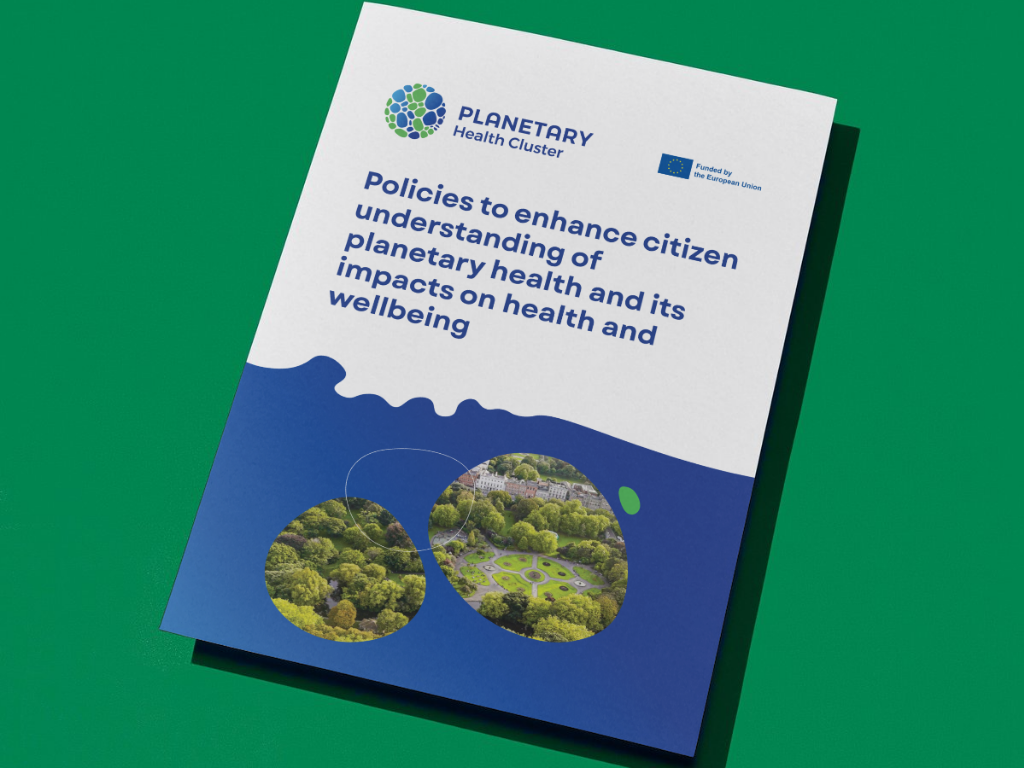
Planetary health is about protecting people’s health by protecting the natural systems we all depend on: from a stable climate to clean air, safe water, healthy food systems and thriving biodiversity.

In our recently released policy brief, we, as the Planetary Health Cluster, set out why this matters now for Europe and what needs to change to close the gap between policy ambition and real‑world impact.

We show that several planetary boundaries have already been crossed and that, despite the European Green Deal and the 8th Environmental Action Programme, the EU is not on track to meet key 2030 climate and environmental targets. A core reason is that many people still do not see how environmental change translates into concrete health risks – or into everyday issues like the cost of living, jobs, and access to essential services.

Our brief calls for strengthening planetary health literacy across society so that citizens can better understand environment–health links, critically assess information, and participate in collective solutions. We highlight two priorities:

  • first, improving public understanding through clear, tailored communication and scalable citizen engagement;
  • and second, shifting policies upstream to tackle the root environmental determinants of health and keep human activity within planetary boundaries.

The Planetary Health Cluster – through GoGreen Next, SPRINGS, TULIP, MOSAIC and PLANET4HEALTH – is already putting these recommendations into practice. Together, our projects are co‑creating tools, evidence and participatory approaches that turn awareness into action and support a just transition to living well within planetary limits across Europe and beyond.


🔗 Read our brief here: Planetary Health Cluster Policy Brief
Scientific Article: Nature-Based Solutions for Removal of Microplastics from Wastewater: Technologies, Challenges, and Prospects

Blog

Scientific Article: Nature-Based Solutions for Removal of Microplastics from Wastewater: Technologies, Challenges, and Prospects

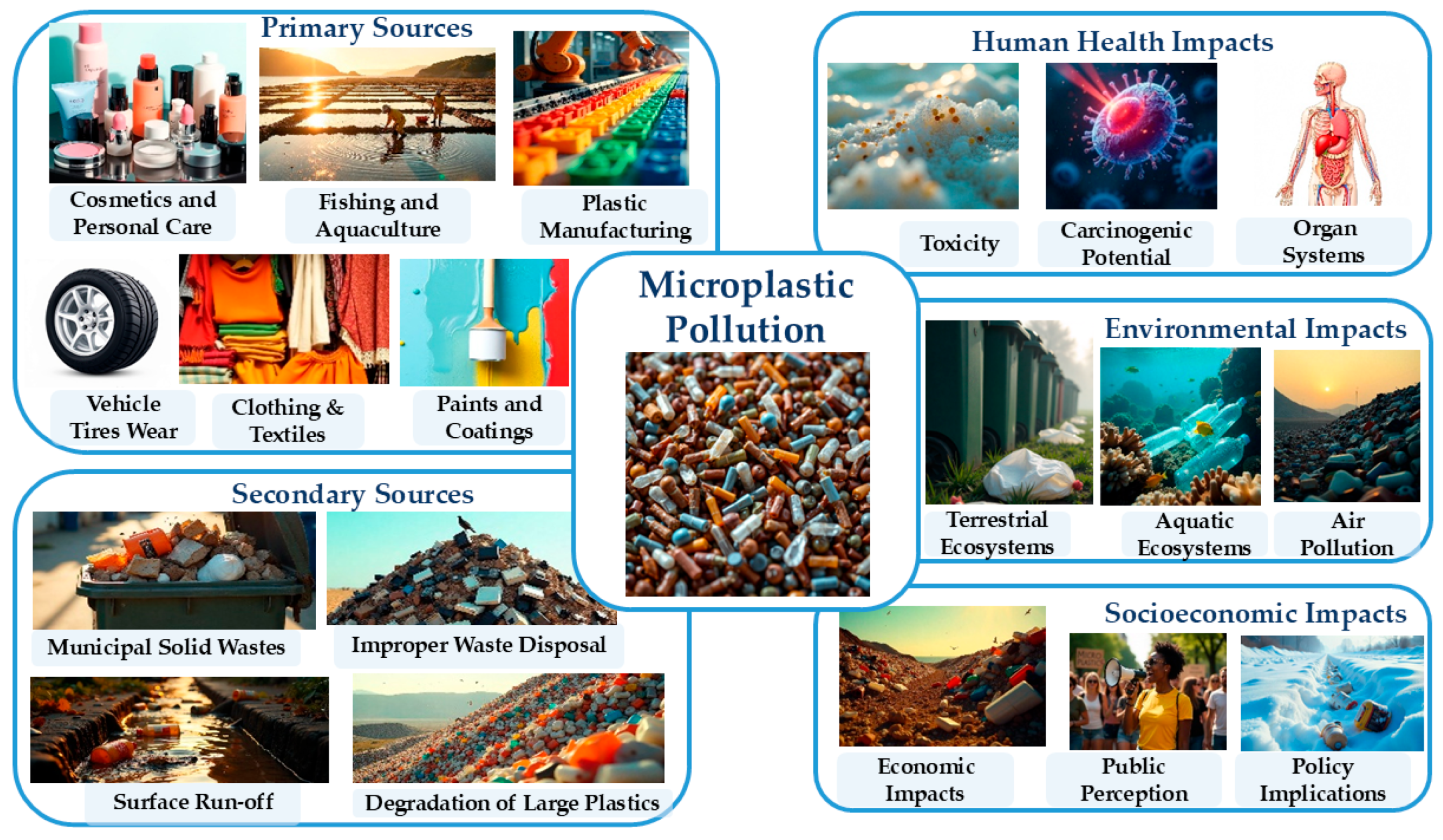
A new review highlights how nature-based solutions such as constructed wetlands, green infrastructure, and aquatic plants can remove up to 100% of microplastics from wastewater. The study explores the promise, challenges, and future potential of sustainable, ecosystem-based strategies for tackling one of today’s most pressing pollution threats.
Find Out More
Locals Lead Charge in Co-Designing Solutions to tackle AMR, Plastic Pollution, Climate Change

Blog, Events

Locals Lead Charge in Co-Designing Solutions to tackle AMR, Plastic Pollution, Climate Change

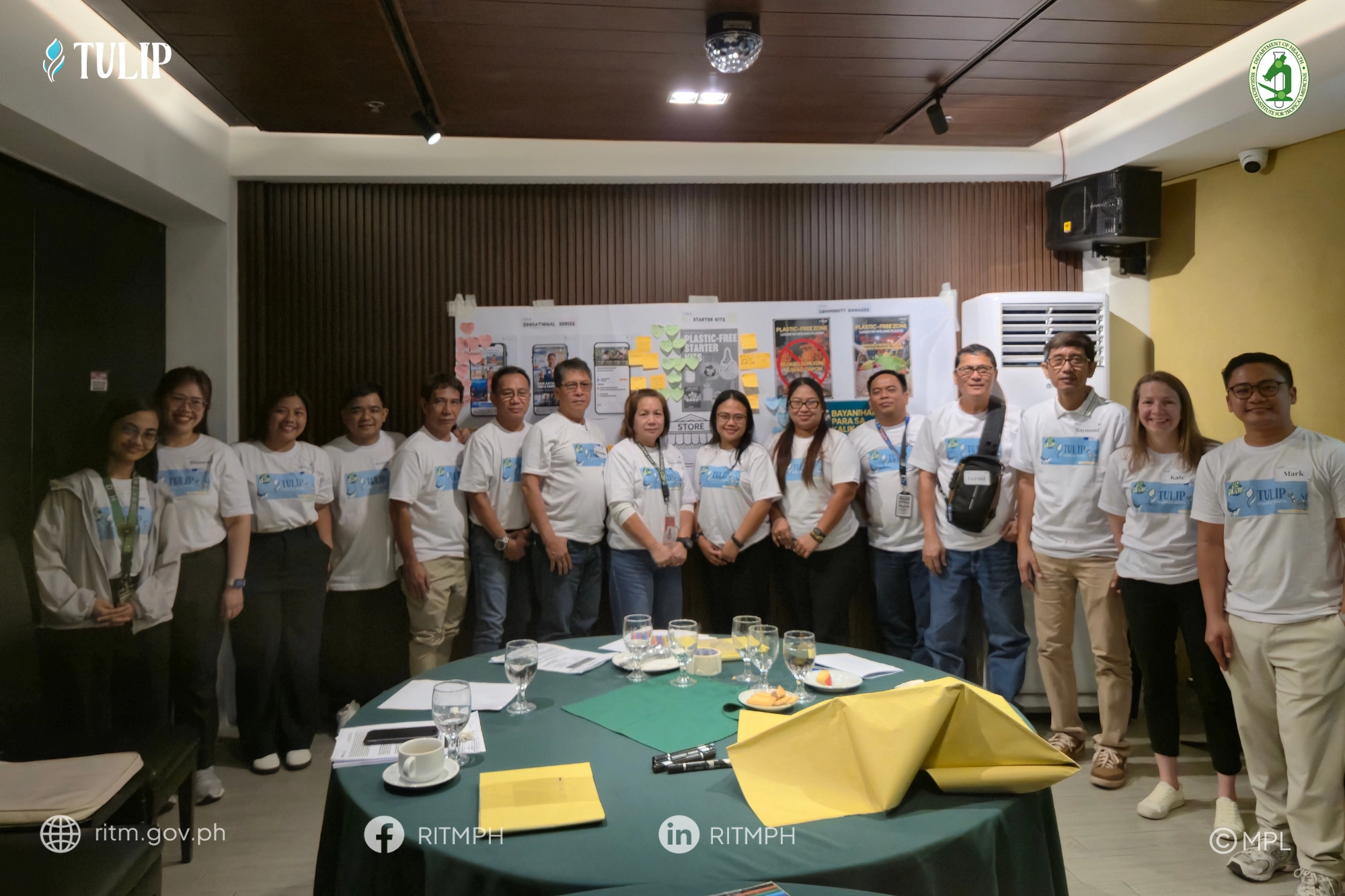
Local stakeholders in Dagupan City joined Project TULIP’s human-centered design workshop to co-create community-based interventions addressing antimicrobial resistance, plastic pollution, and climate change. Through creative feedback, rapid prototyping, and prioritization activities, participants helped shape locally tailored solutions grounded in community needs and planetary health.
Find Out More
From definition to action: highlights from Cluster workshop on data and modelling approaches for Planetary Health

Blog

From definition to action: highlights from Cluster workshop on data and modelling approaches for Planetary Health

The Planetary Health Cluster organised its second Thematic Workshop bringing together the cluster’s projects’ modellers, researchers and policy specialists in Heidelberg for two days of dialogue to answer the question: how can data and modelling approaches best serve Planetary Health?
Find Out More

Formed By

Back To Top