From definition to action: highlights from Cluster workshop on data and modelling approaches for Planetary Health

Heidelberg, 17–18 March 2025
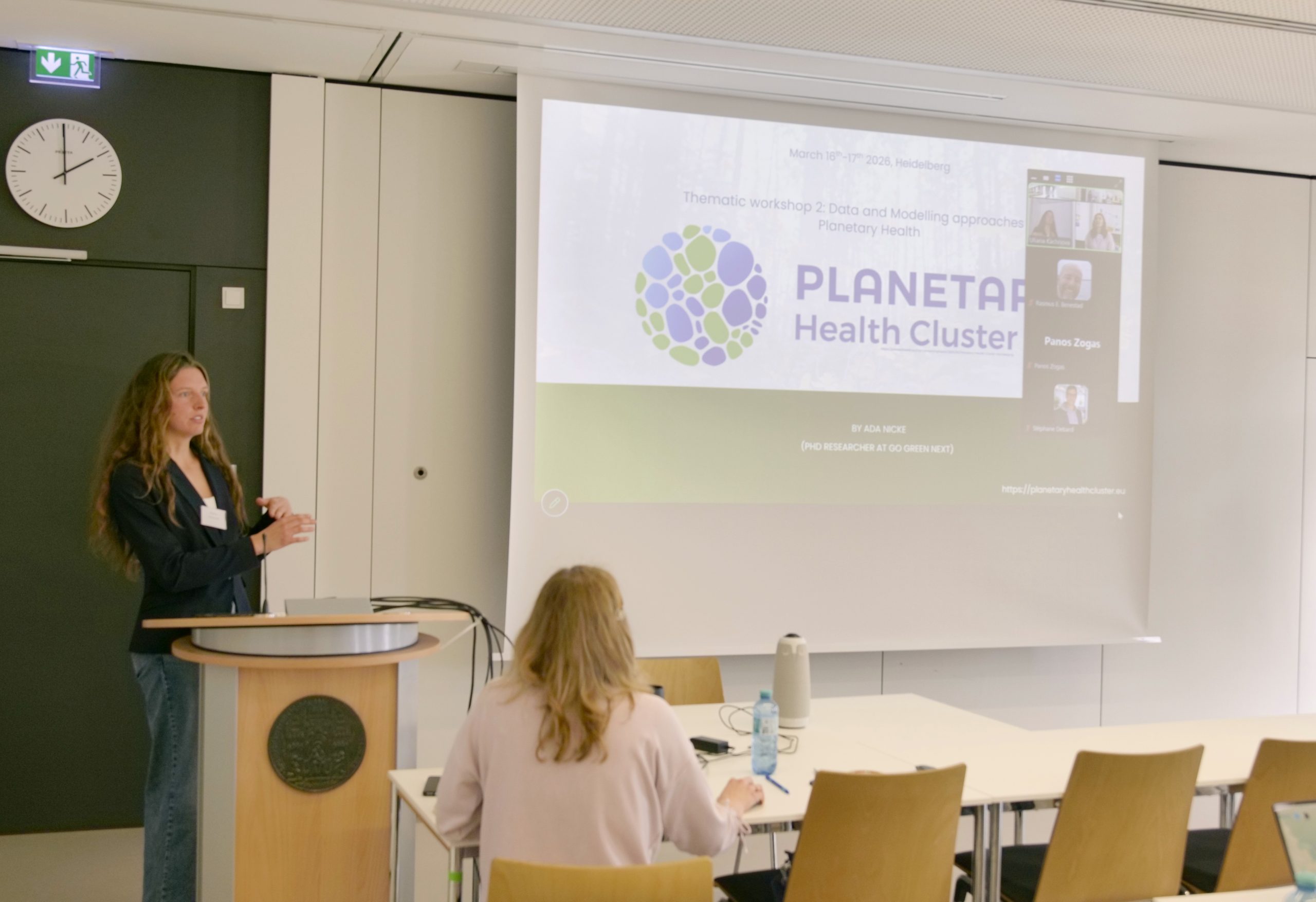
The Planetary Health Cluster organised its second Thematic Workshop bringing together the cluster’s projects’ modellers, researchers and policy specialists in Heidelberg for two days of dialogue to answer the question: how can data and modelling approaches best serve Planetary Health?
Day 1 focused on developing a shared understanding of data and modelling approaches for Planetary Health within the cluster, including the types of models used, their objectives, data inputs and outputs, and their potential role in informing Planetary Health interventions and policy.
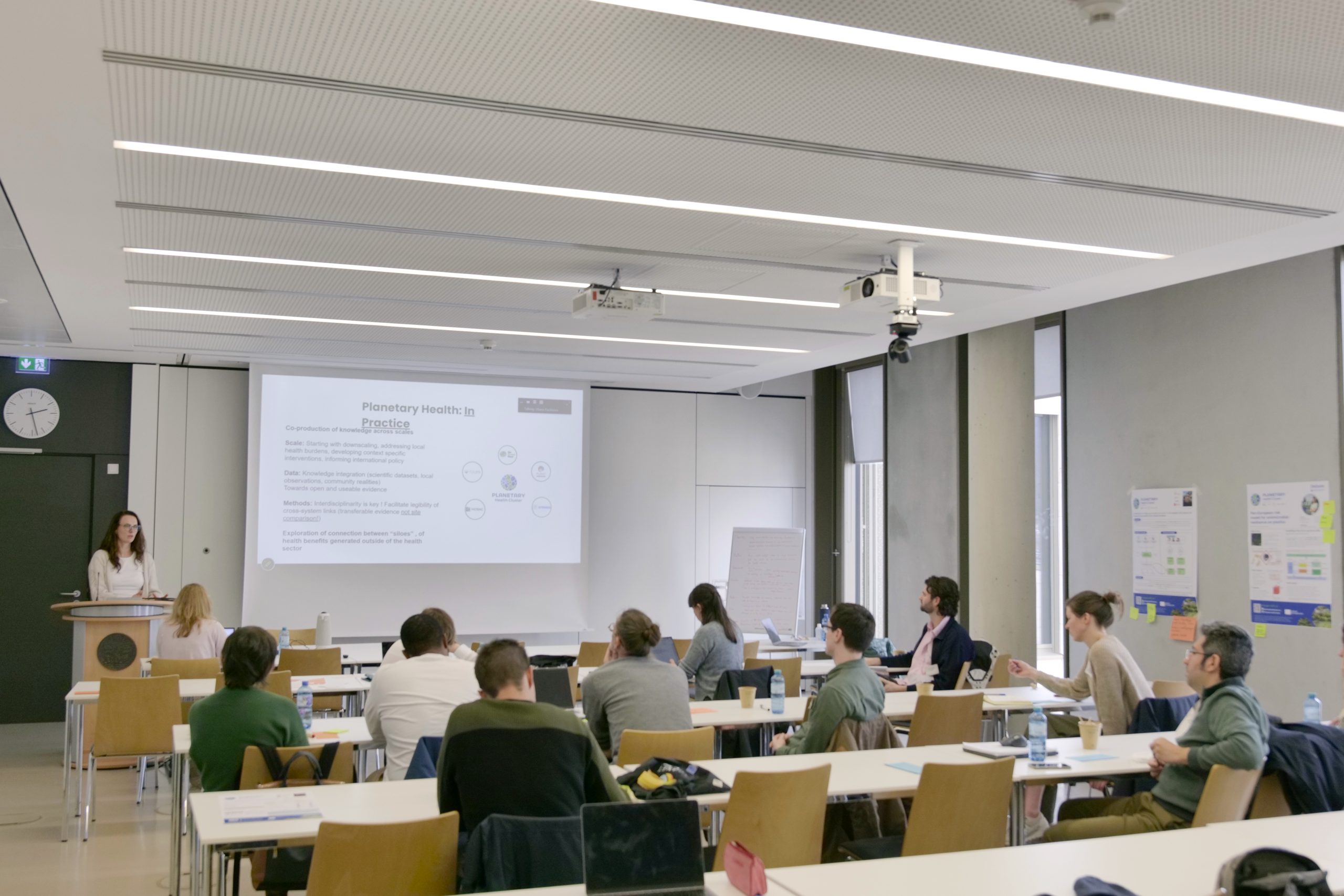
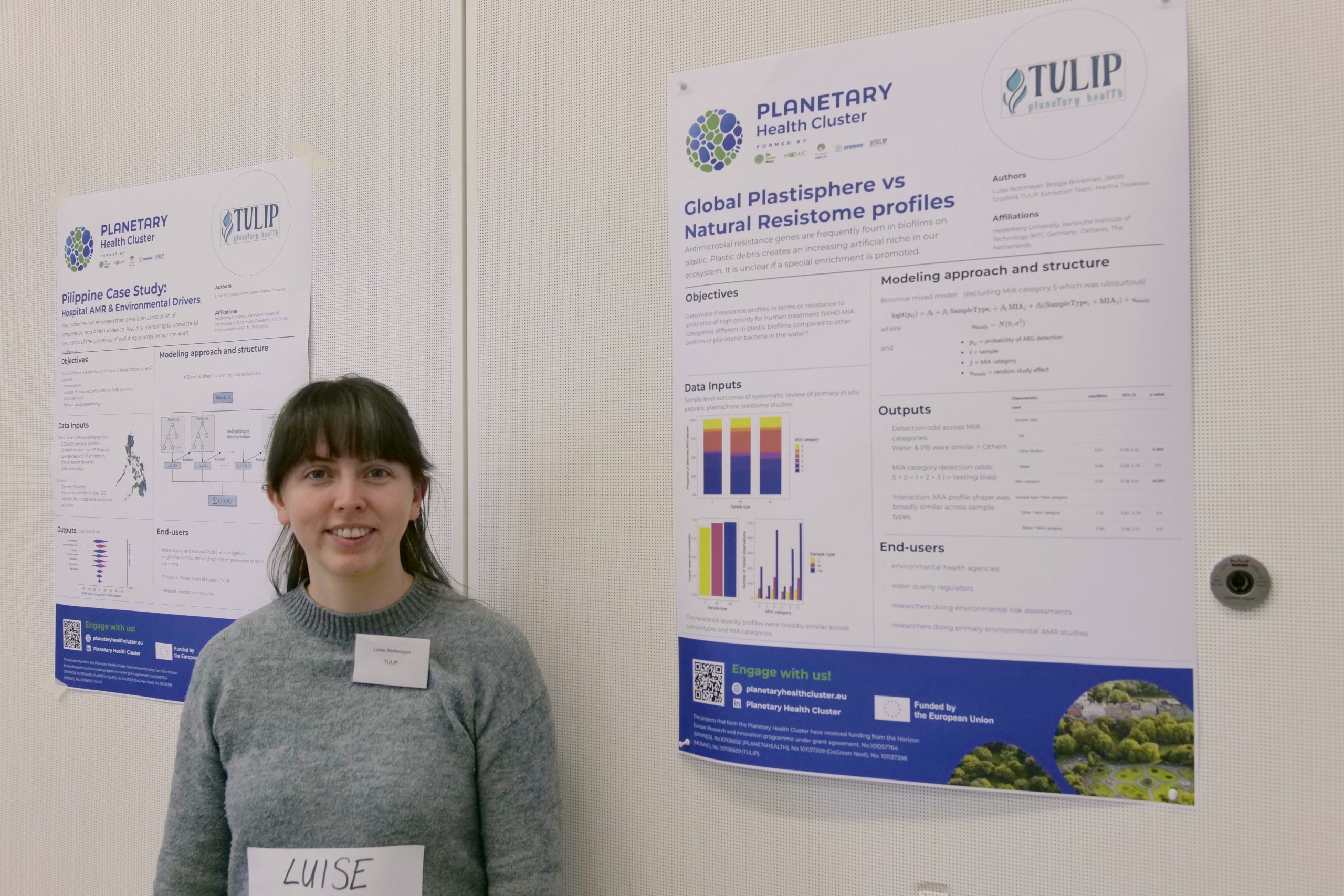
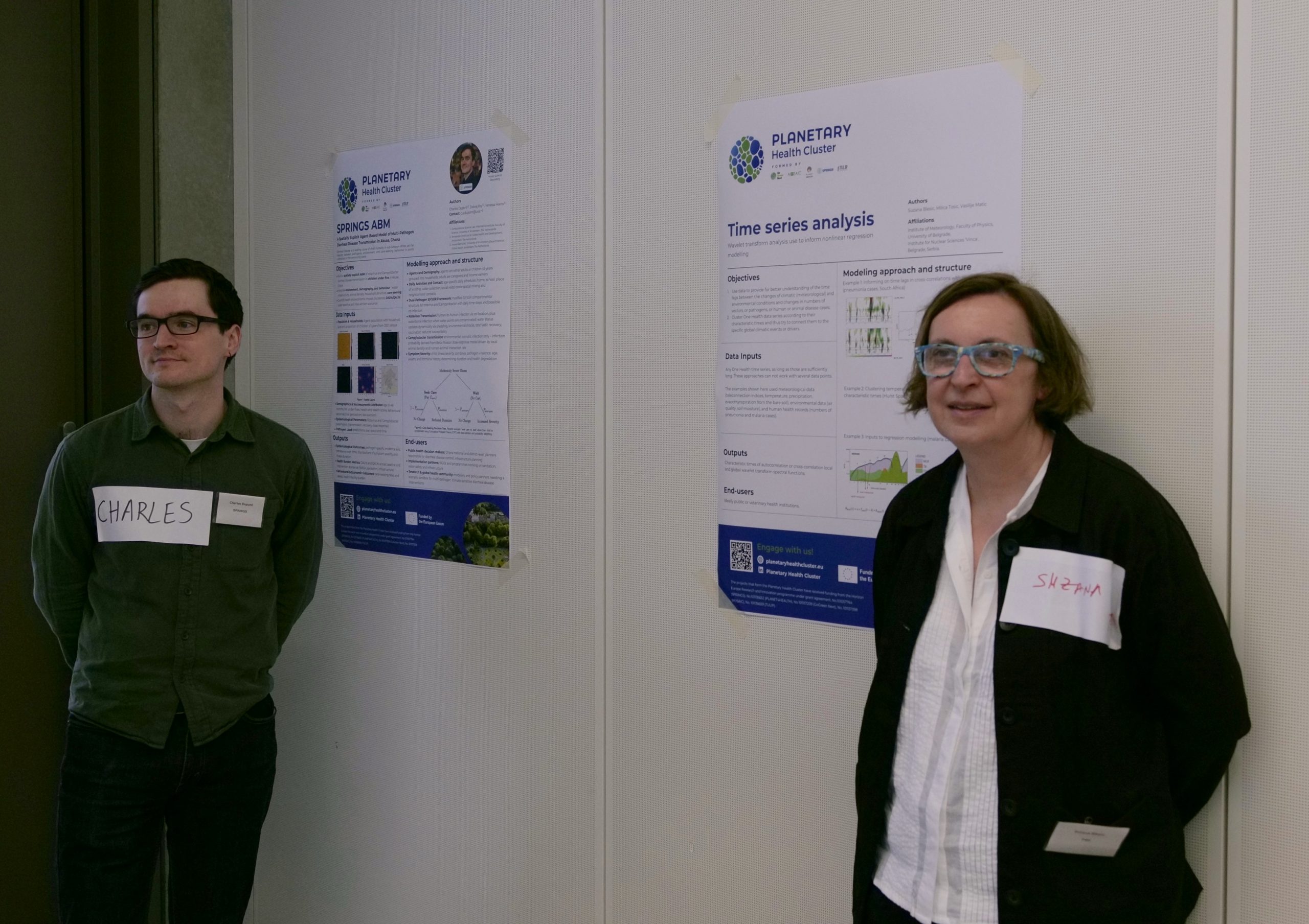
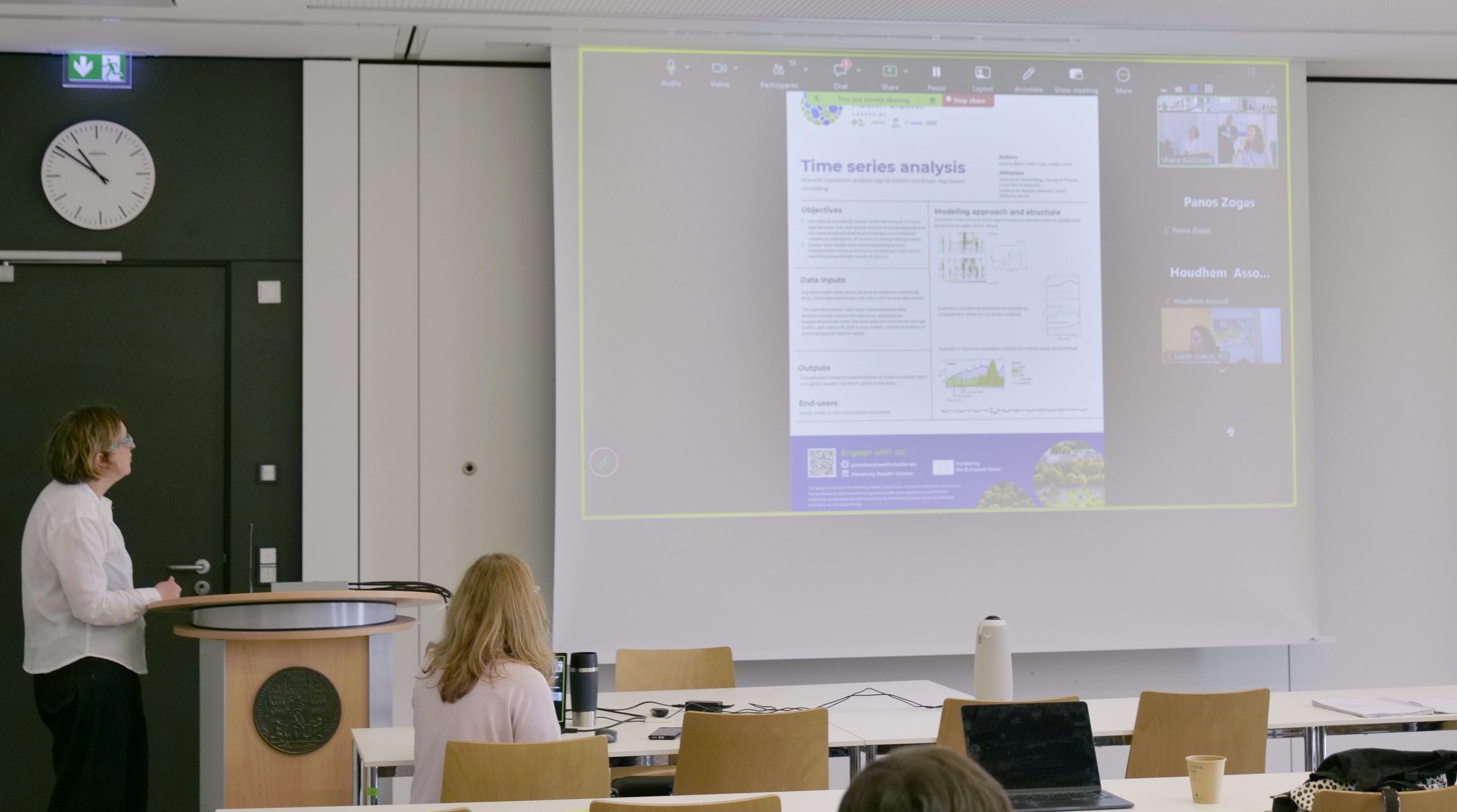
It also aimed to explore how models can be described, compared, and integrated, and how they can support indicators and knowledge production for Planetary Health. In practice, the day began with presentations from the different cluster modellers, who introduced and explained their models to the group, while participants asked questions and later had time to move around the room to read more closely about each model and identify possible synergies.
The second part of the day was devoted to jointly formulating a statement on what a model for Planetary Health and Planetary Health Interventions should be, leading to three break-out group statements that were refined into a common version to be used in the Day 2 modeller/non-modeller dialogue.
The resulting statement described Planetary Health models as:
Multidisciplinary, systems-thinking workflows embedded in a global context of human-driven environmental degradation, designed to integrate multiple data sources and perspectives, identify drivers and hotspots of socio-ecological crises, and generate actionable insights to better inform policy and support societal transformation.
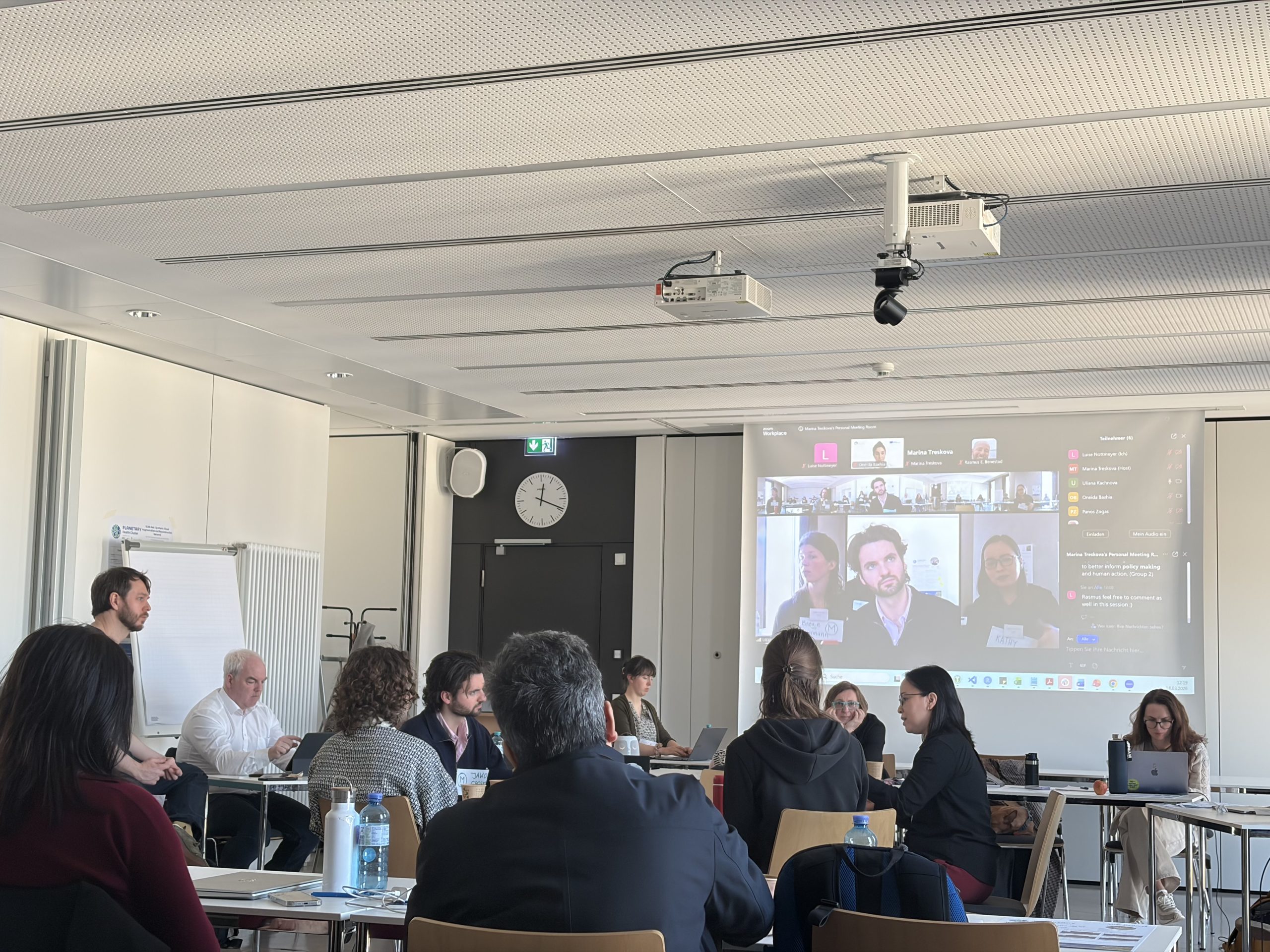
On Day 2, the discussion moved from this shared definition toward the practical and political use of models, especially in dialogue with non-modellers and policy actors. Participants emphasised that models are abstractions that must clearly communicate assumptions, limitations, uncertainty, and validation, while also being useful for scenario building, identifying control points, and supporting action in complex settings such as climate, pollution, health, and resource management.
The exchanges also highlighted the importance of co-production, early stakeholder engagement, and tailoring outputs so they are understandable, credible, and meaningful for end-users rather than only technically accurate. In addition, the group discussed the strategic future of the Cluster, including the need for continued collaboration, a shared paper or statement, and a clearer pathway for keeping Planetary Health work visible and supported beyond the workshop itself.
Together, the two days showed a clear progression from defining what Planetary Health modelling is, to exploring how it can be made useful, legitimate, and actionable through dialogue between modellers, non-modellers, and policy actors.