Locals Lead Charge in Co-Designing Solutions to tackle AMR, Plastic Pollution, Climate Change
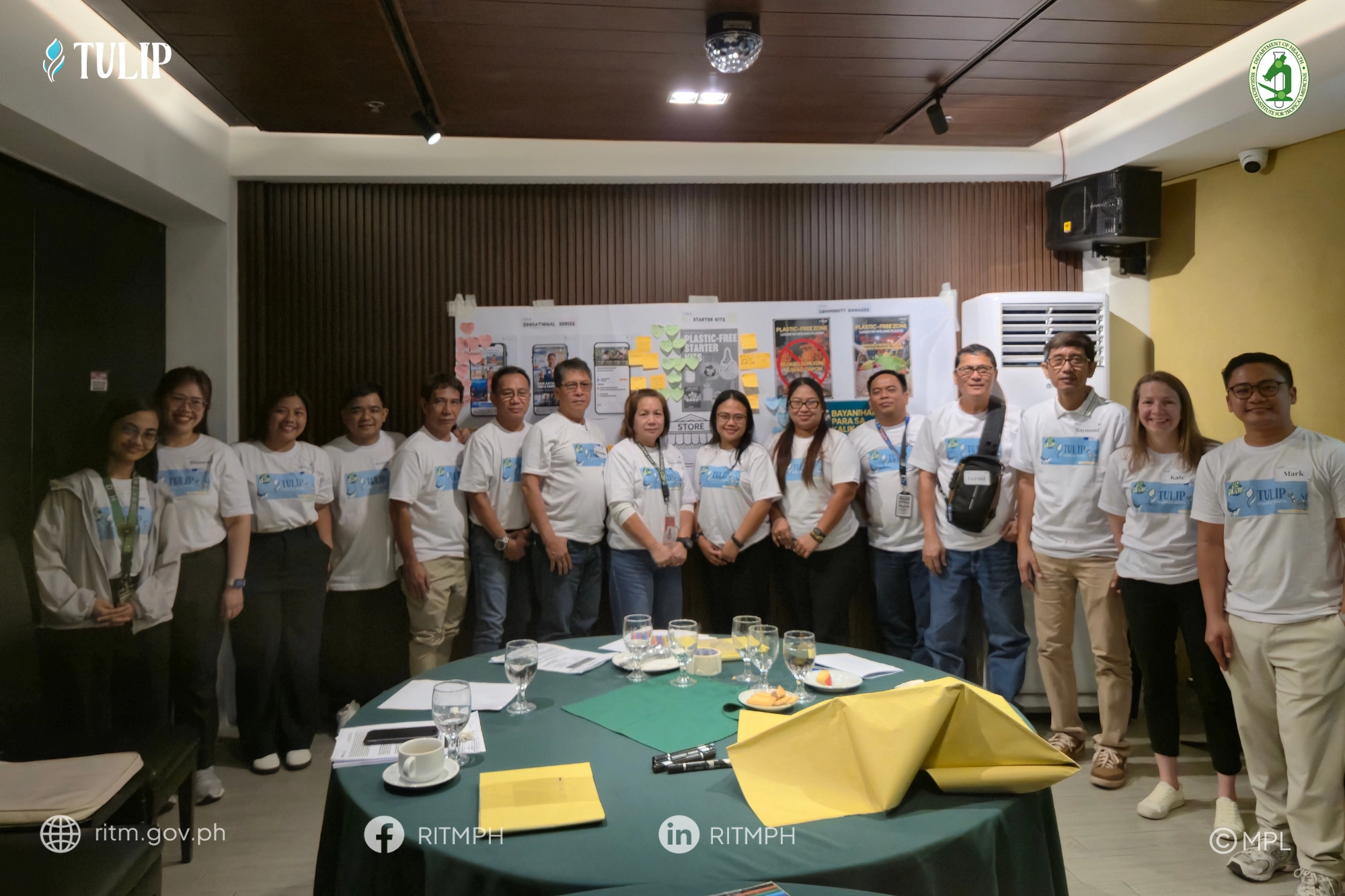
Local leaders, policy actors, and community members convened at the Lenox Hotel in Dagupan City on April 13, 2026 to co-design community-based interventions to tackle the intersecting threats of antimicrobial resistance (AMR), plastic pollution, and climate change. Organized by Project TULIP’s Work Package 5, the multi-sectoral design workshop marks a shift toward community-led solutions for planetary health.
The “Human-Centered” Approach
Moving beyond traditional research, the workshop used the tools of Human-Centered Design (HCD) directly into the hands of a diverse group of 38 stakeholders, including community members, local officials, and policy actors. By involving the community in both data synthesis and intervention design, Project TULIP ensures that raw data are transformed into practical, locally-tailored health interventions.
“It is not common to embed community perspectives into the design of interventions,” noted Dr. Kate Bärnighausen, Co-Lead of Project TULIP Work Package 5, during her opening remarks. “You are defining the way that we move forward. There is no wrong answer; every perspective is meaningful for a healthy, happy future,” added Dr. Bärnighausen.
From Love Letters to Role Plays
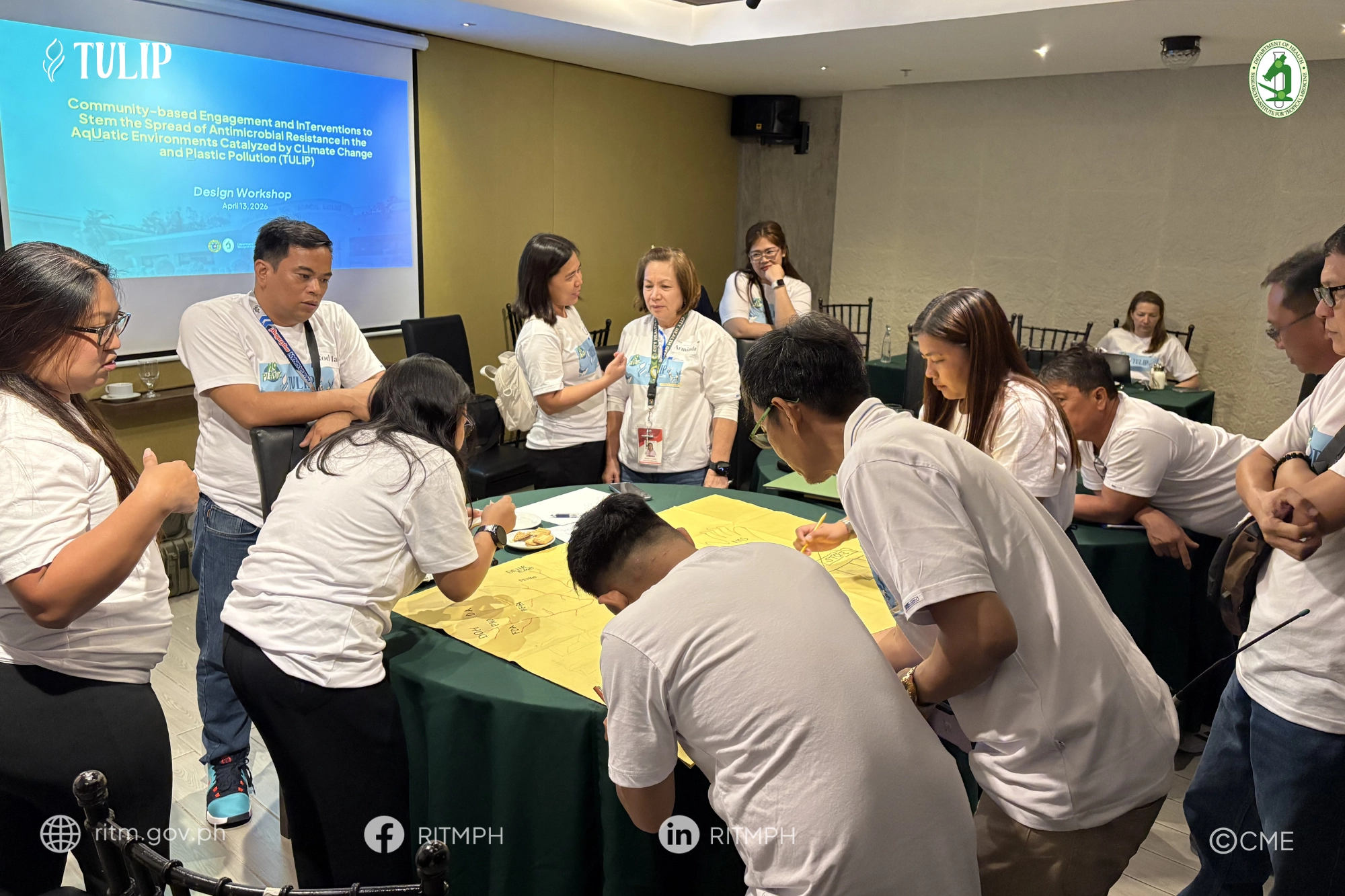
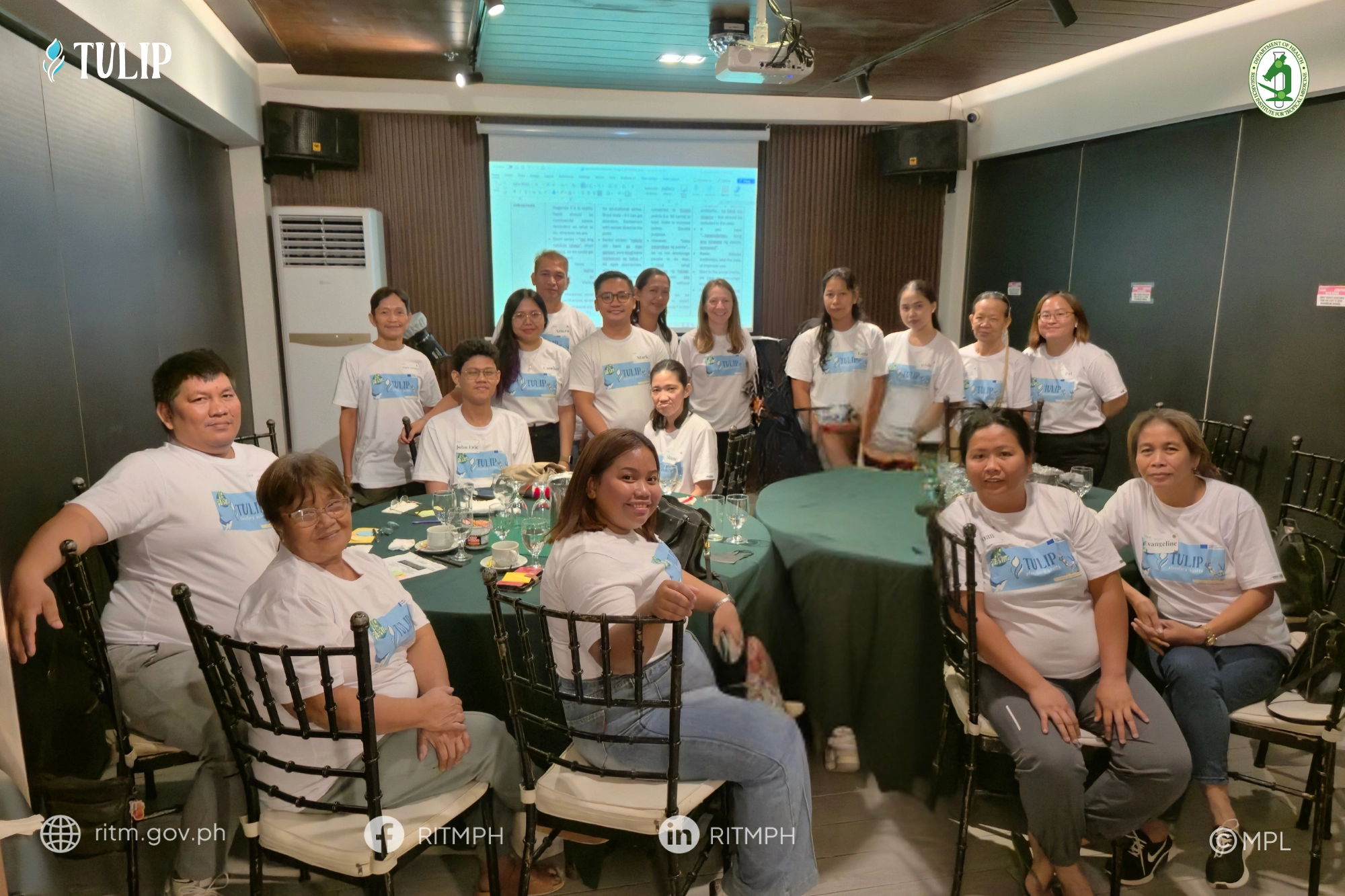
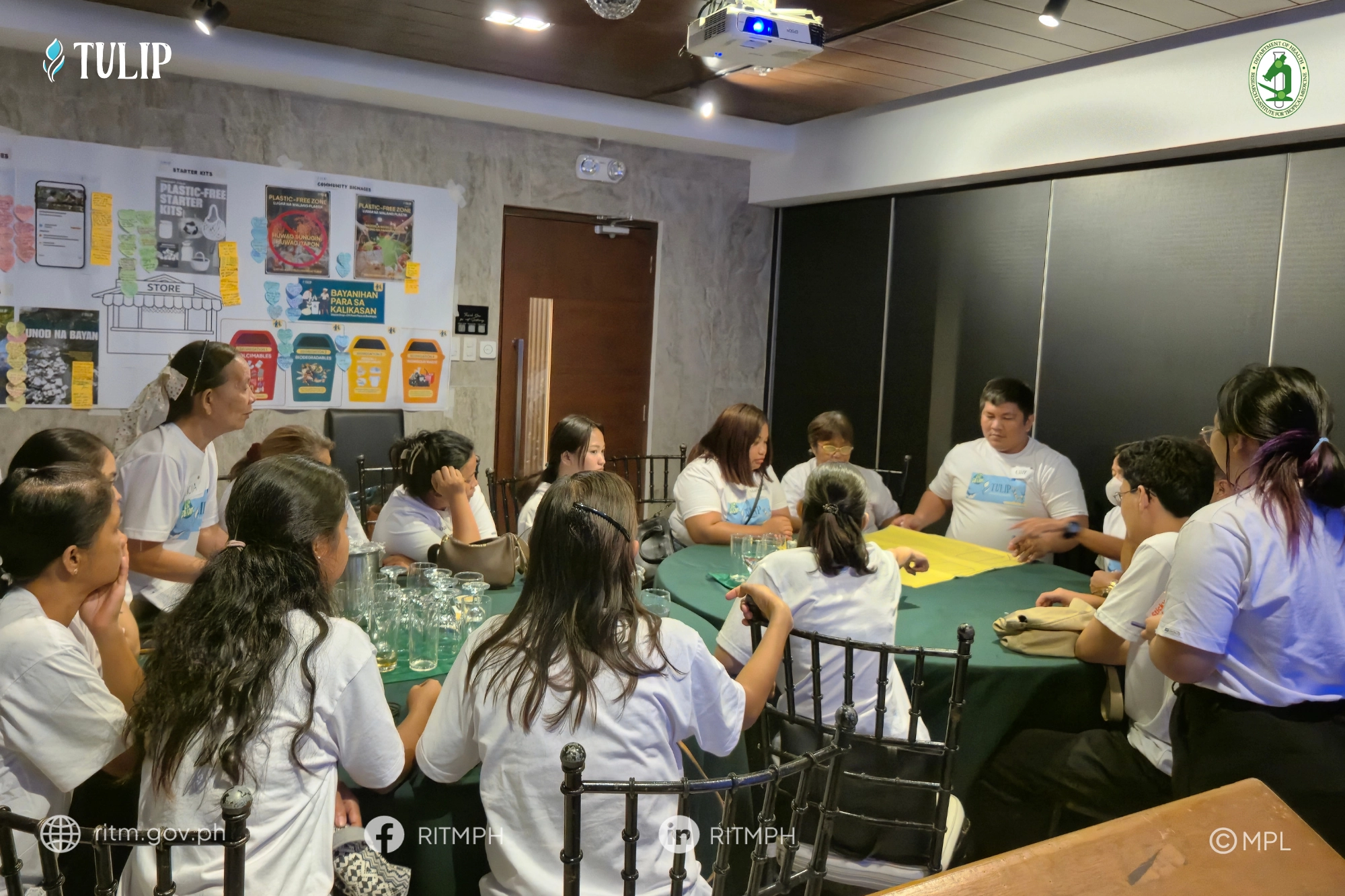
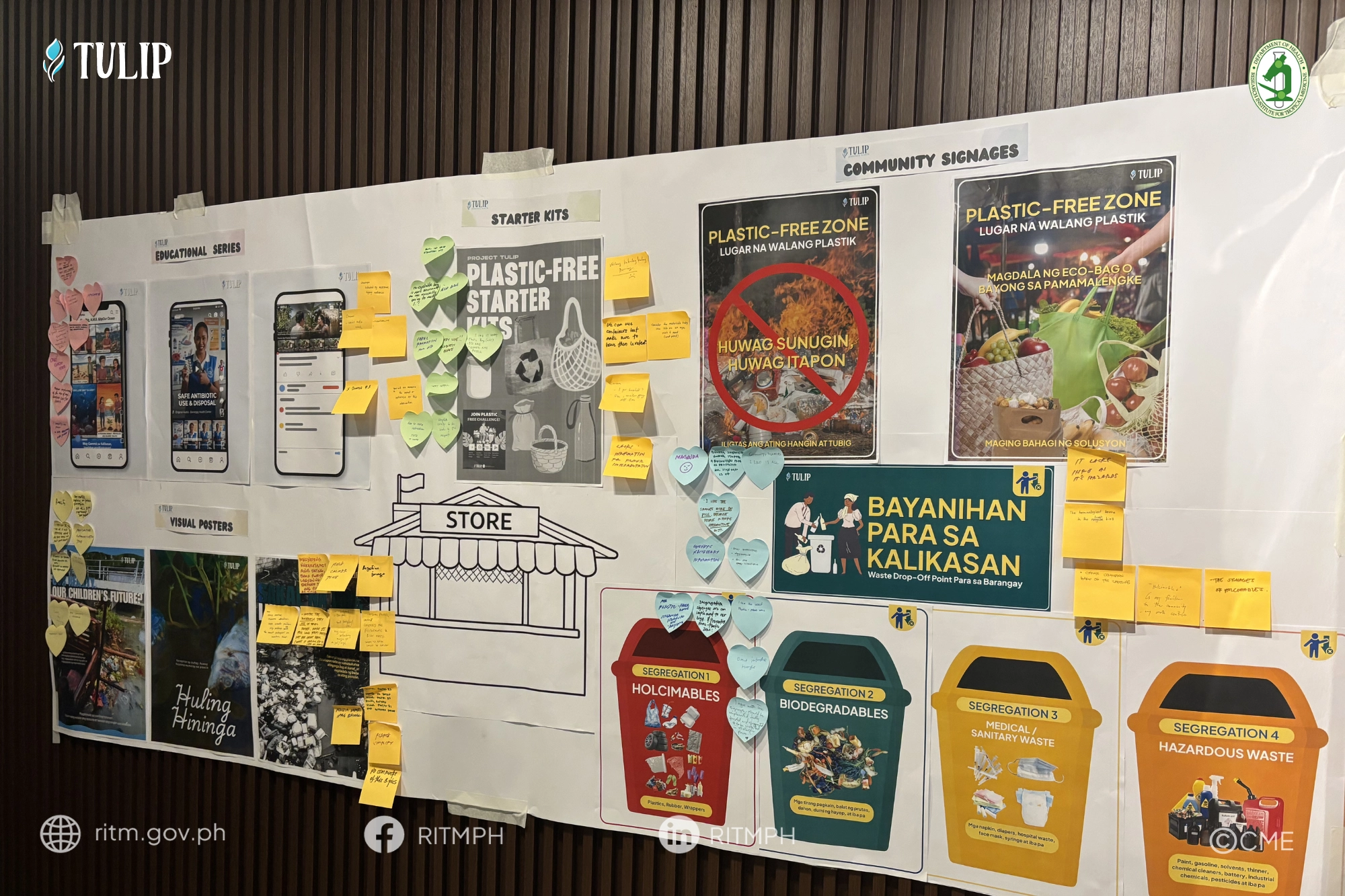
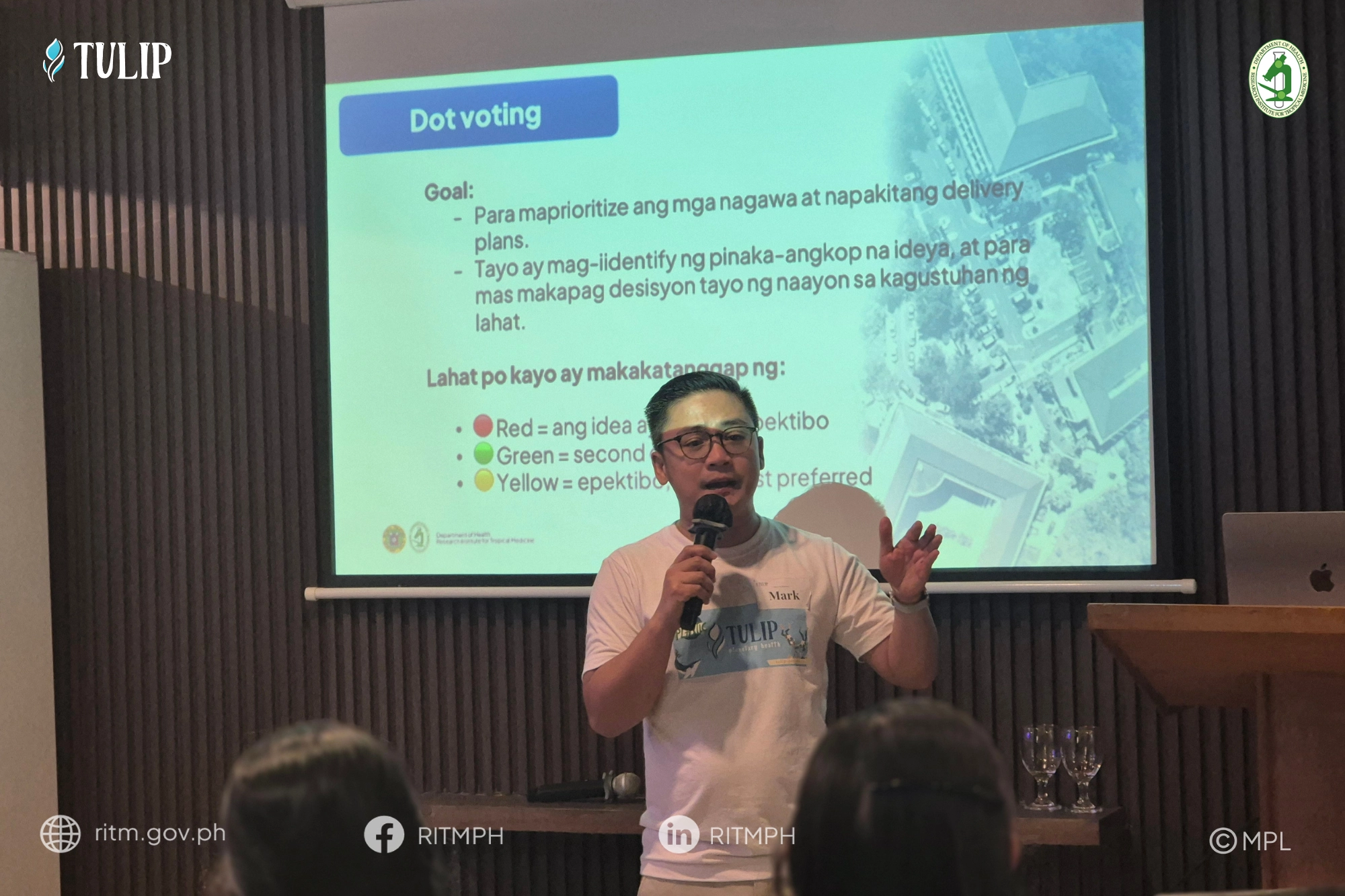
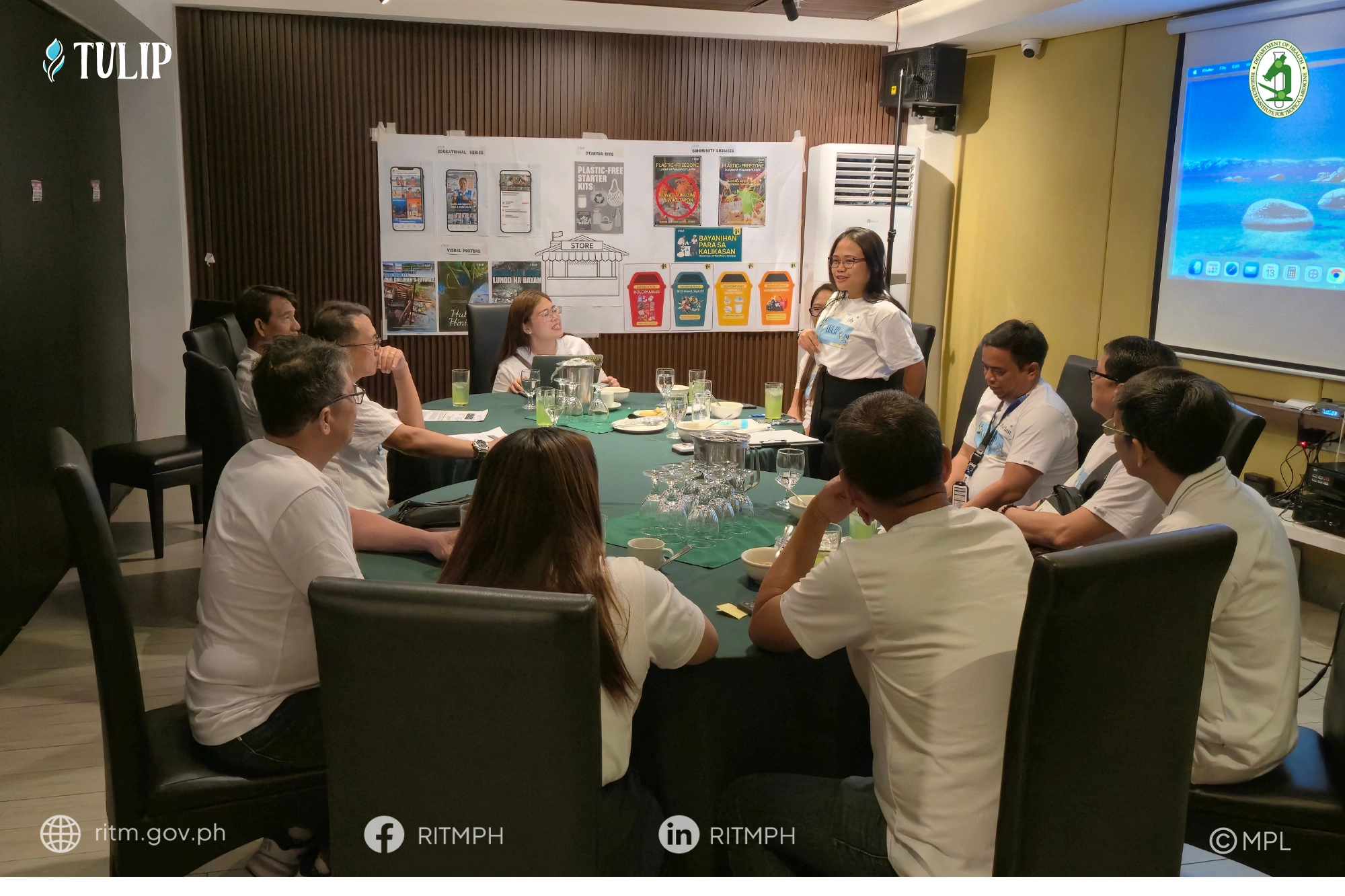
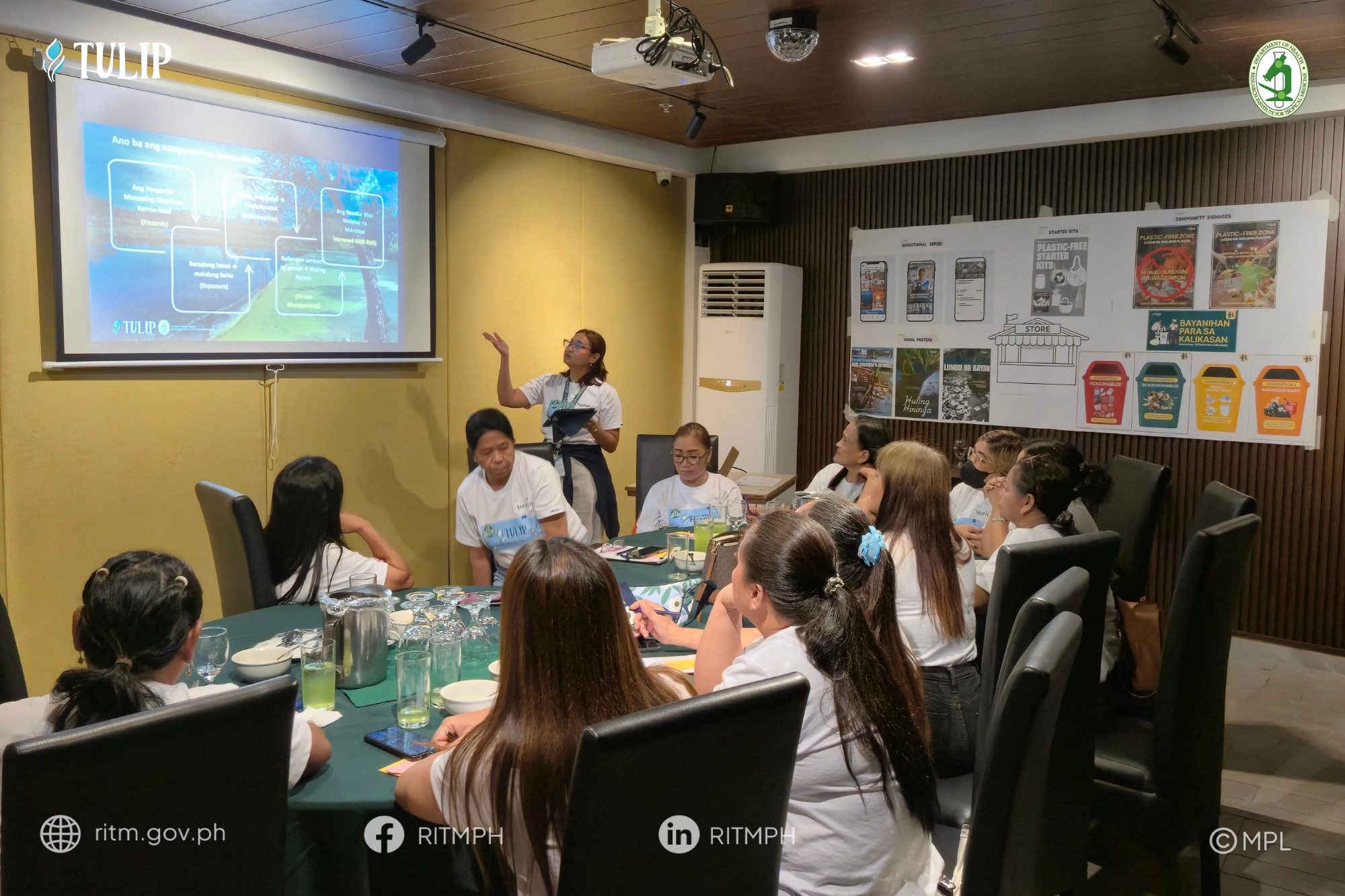
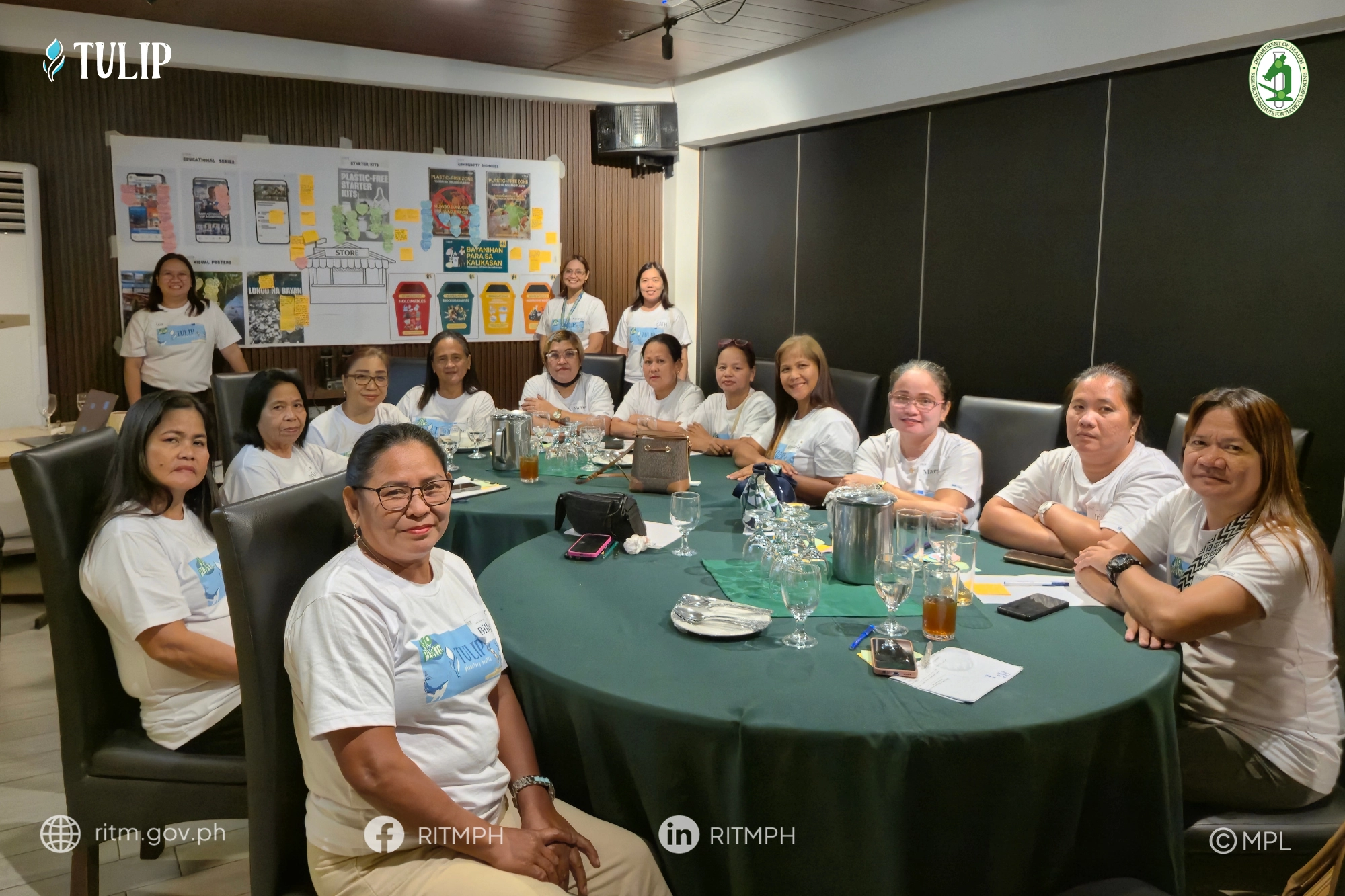
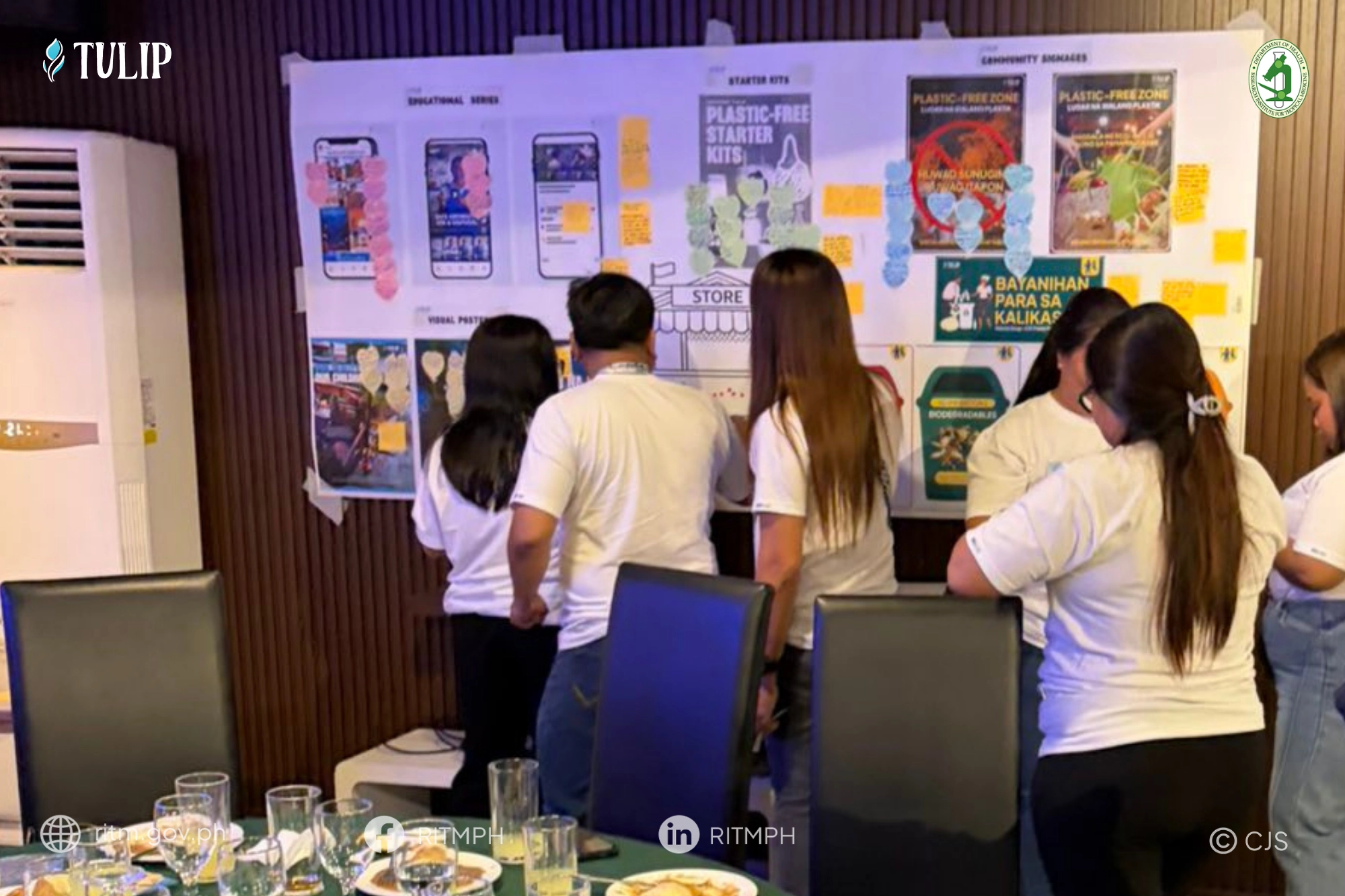
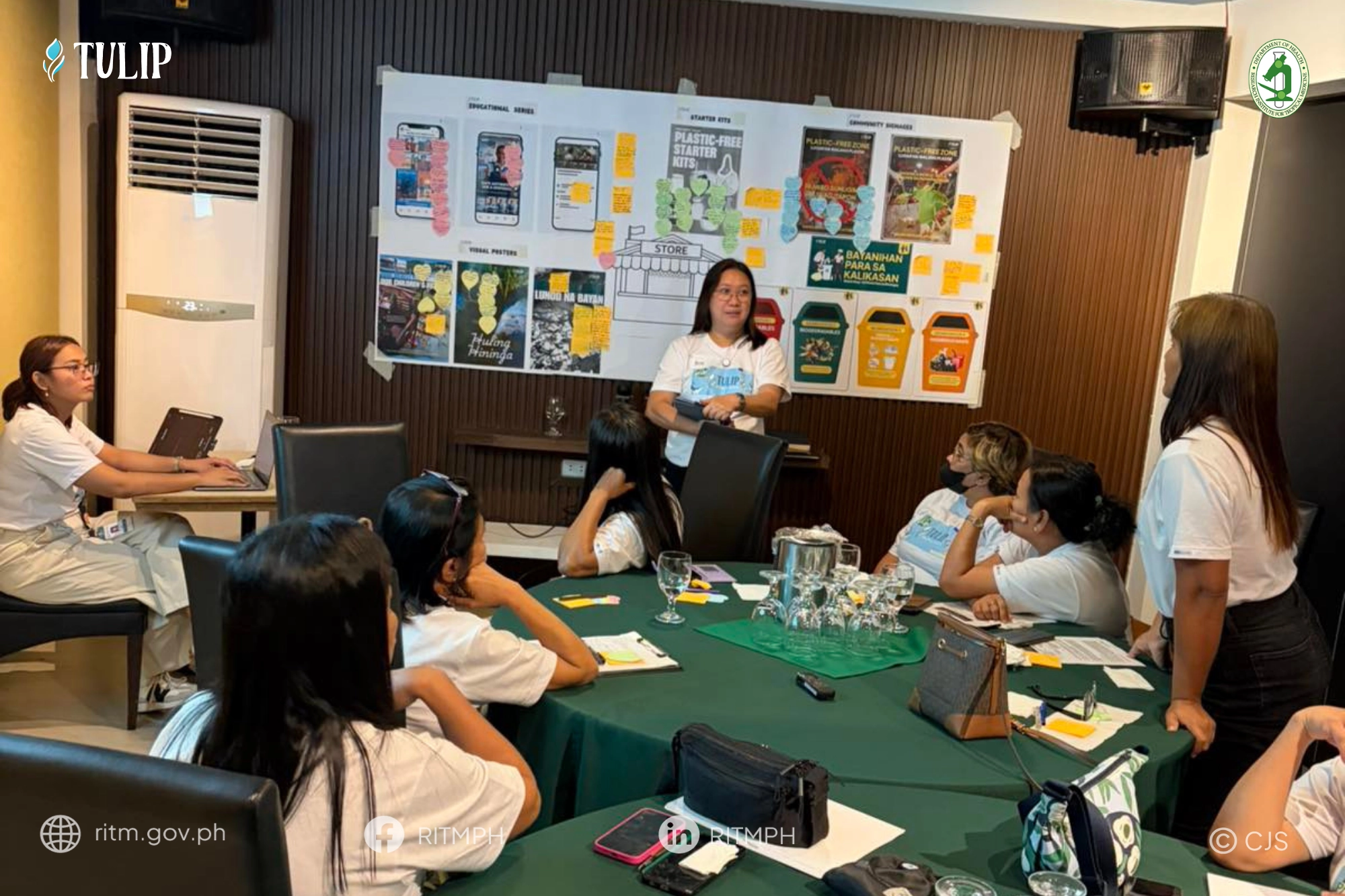
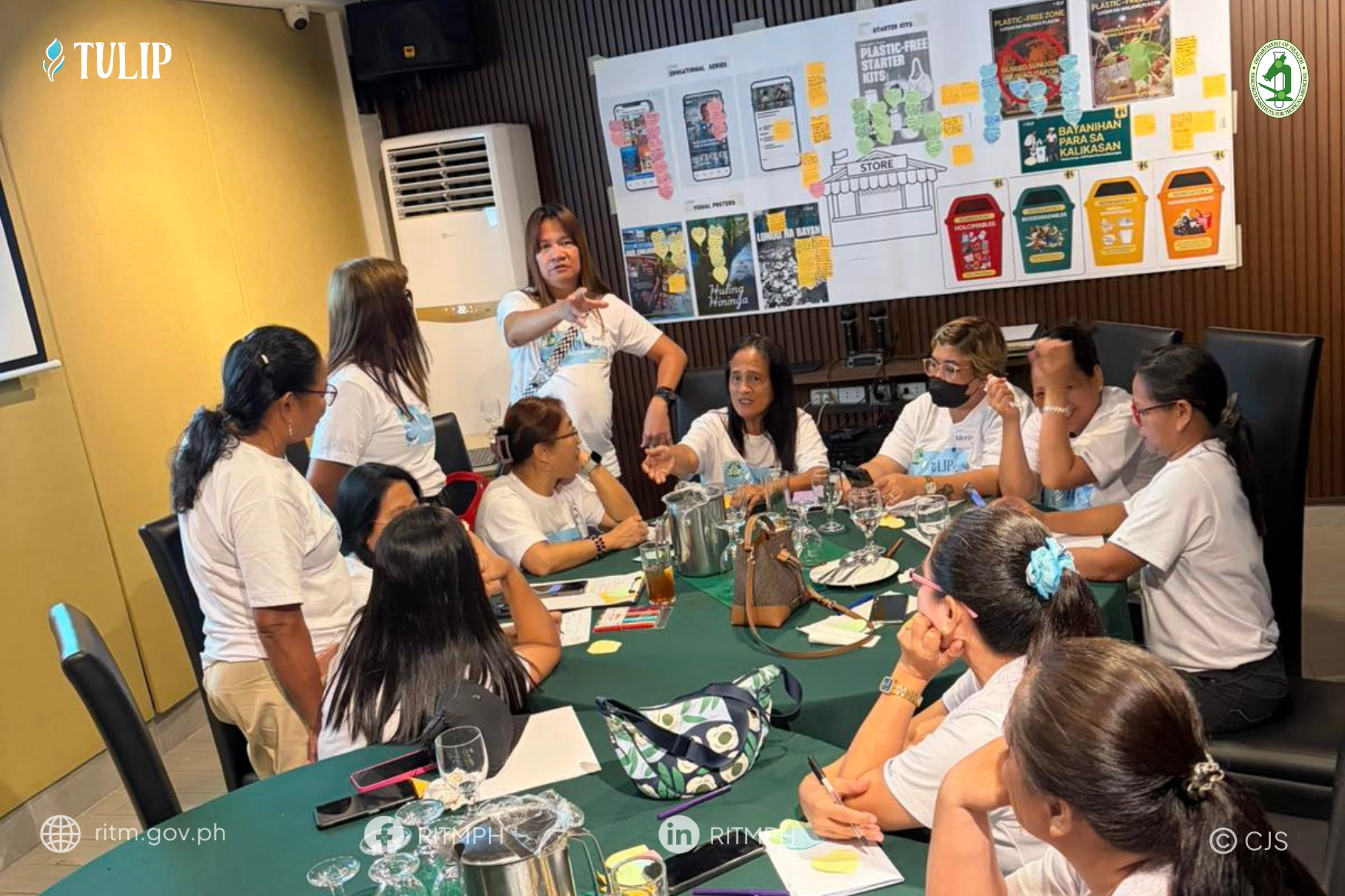
Led by Principal Investigator and Project TULIP Philippines Team Lead Dr. Mark Donald Reñosa from the Research Institute for Tropical Medicine (RITM), the workshop employed creative, interactive strategies to gather honest feedback from participants:
- The Love/Break-Up Letter: Participants used colored sticky notes to write “love letters” to intervention prototypes (describing what they liked/found helpful) or “break-up letters” (expressing what was confusing or uninteresting).
- Rapid Prototyping: Three breakout groups—Community Officials, Household Members, and Healthcare Workers—reviewed visual educational materials and environmental prompts to ensure they reflected local realities.
- Prioritization Voting: Using a “dot-mocracy” system, stakeholders voted on the most effective ideas. Red dots signaled the highest priority, helping the research team identify which concepts resonated most with the community.
The design workshop concluded with groups engaging in role-playing scenarios to demonstrate how the presented interventions would actually work in a real-world community setting.
Bridging Science and Policy
During the workshop, Dr. Bärnighausen specifically lauded the youth for their “courage” in voicing perspectives alongside more seasoned community members. The insights gathered in Dagupan will serve as the foundation for Project TULIP’s community-based intervention pr
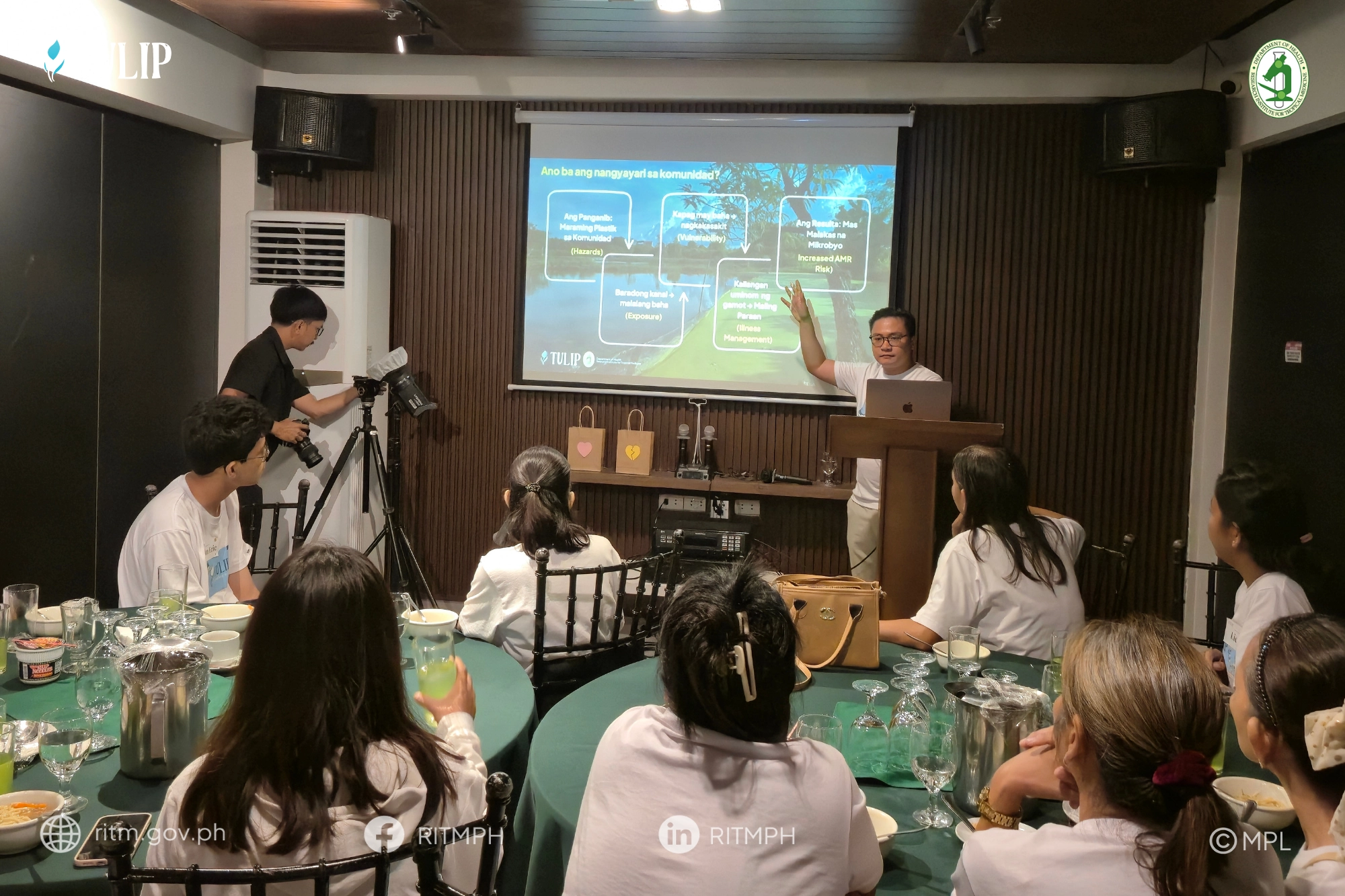
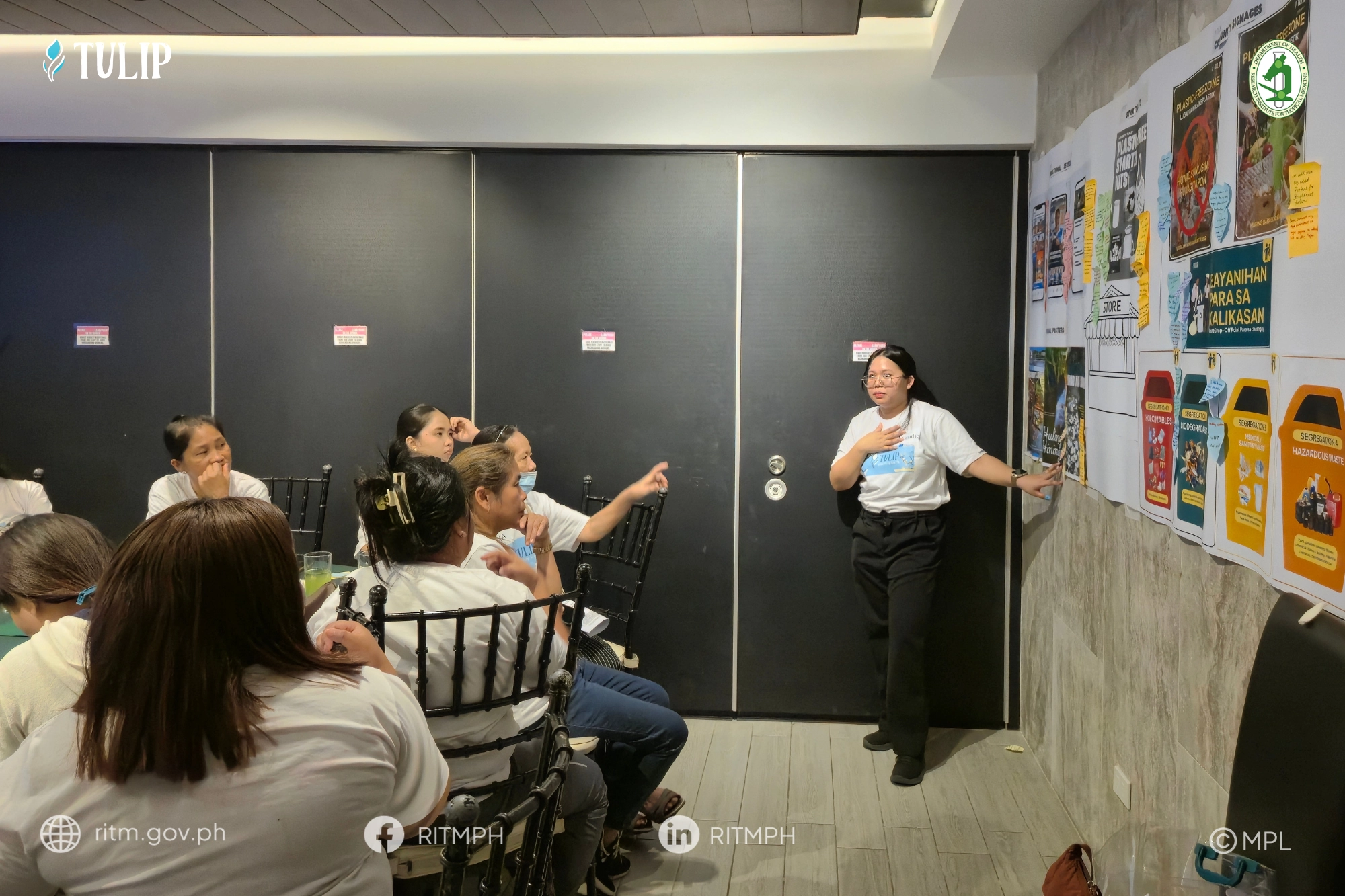
As the Project TULIP Work Package 5 transitions into its next phase, Dr. Reñosa reaffirms the project’s central mission of bridging the gap between research and real-world action. By developing sustainable, evidence-based tools, TULIP is building a future where both community and ecosystem are protected from the silent environmental crises that define our time.
Led by the RITM in collaboration with the University of Heidelberg and sponsored by the European Union, Project TULIP (which stands for “Community-based Engagement and Interventions to Stem the Spread of Antimicrobial Resistance in the Aquatic Environments Catalyzed by Climate Change and Plastic Pollution Interactions”) addresses the interconnected crises of AMR, plastic pollution, and climate change.
RITM leads multiple work packages, including the crucial task of integrated surveillance for human and animal AMR, and co-leads efforts in project coordination, community-based interventions, and policy analysis.