Planetary Health Cluster joins European Declaration on Heat and Health

Planetary Health Cluster joins European Declaration on Heat and Health
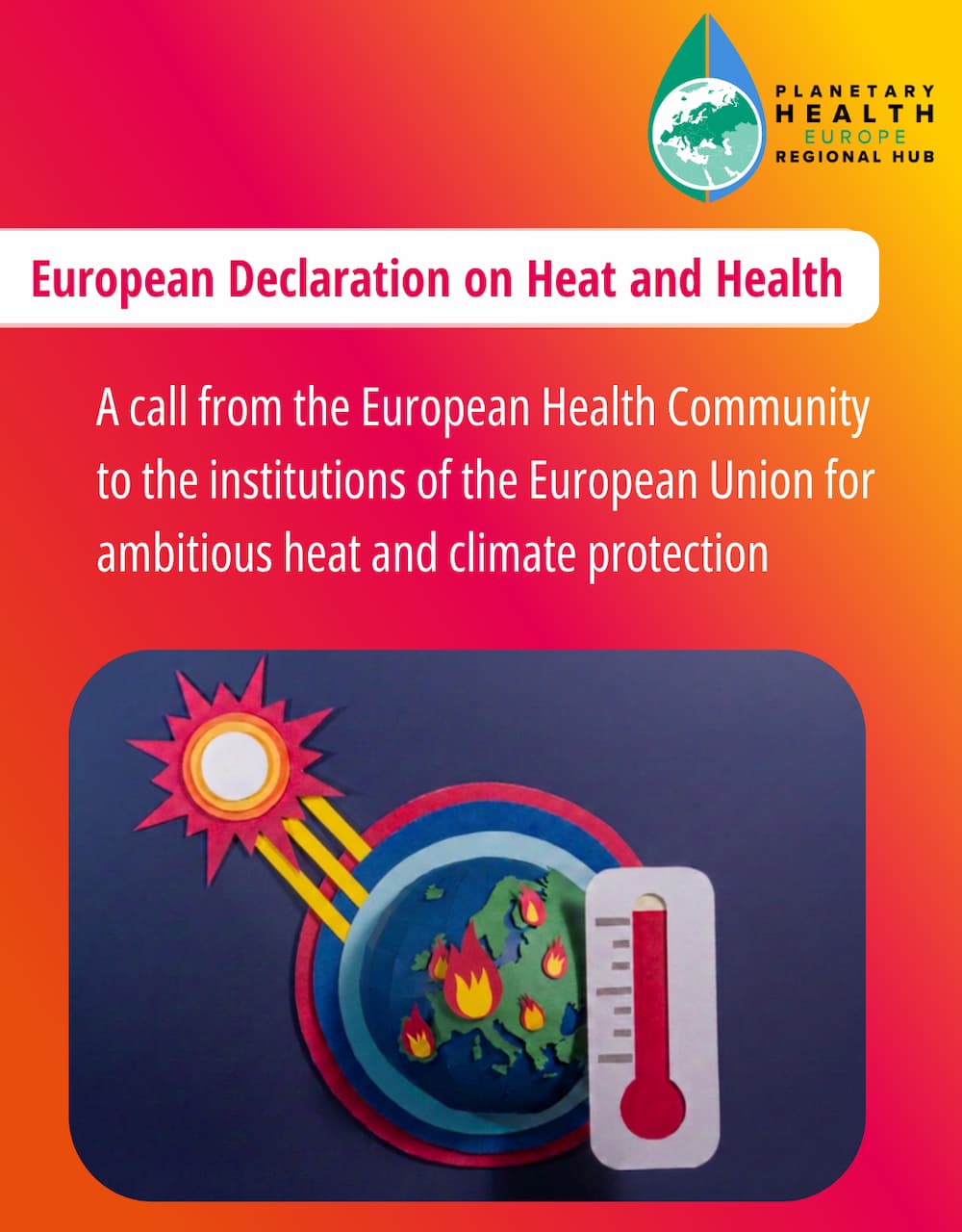
After the large increase in mortality due to the strong heatwaves in June and July 2026 in Europe, the Planetary Health European Hub has addressed the European Union authorities in a Declaration on Heat and Health that calls for a radical change in ambition and resources.

June 2026 was the hottest June ever recorded in Western Europe. Several thousand excess deaths were registered in the peak heatwave week alone, and the toll is still rising — alongside wildfires and crop losses across the continent. And yet this is not a failure of planning. Most European countries have heat-health action plans and early warning systems. The EU adopted an Adaptation Strategy in 2021 and declared a climate emergency back in 2019.

We know the danger. Too little is happening.

The European Commission is now preparing the European Climate Resilience Framework, due for adoption at the end of 2026. It will decide whether this summer finally leads to binding obligations — or to another strategy without consequence.

That is why the Planetary Health Cluster has joined the European Regional Hub of the Planetary Health Alliance and more than 80 organisations in the European Declaration on Heat and Health, calling on the EU to put health at the centre of its climate policy: with legally binding adaptation obligations, measurable health targets, and a European Heat-Health Action Plan with an emergency fund for hospitals, care homes, nurseries and schools. Heat protection costs money. Not nearly as much as recurring extreme heat. And we do not exempt ourselves. As a health sector, we must lead by example: with heat plans in our own institutions that protect patients and staff alike.
Read the full declaration

The Planetary Health Cluster in Cork: WHO Summit of Mayors and annual meeting

Uncategorized

The Planetary Health Cluster in Cork: WHO Summit of Mayors and annual meeting

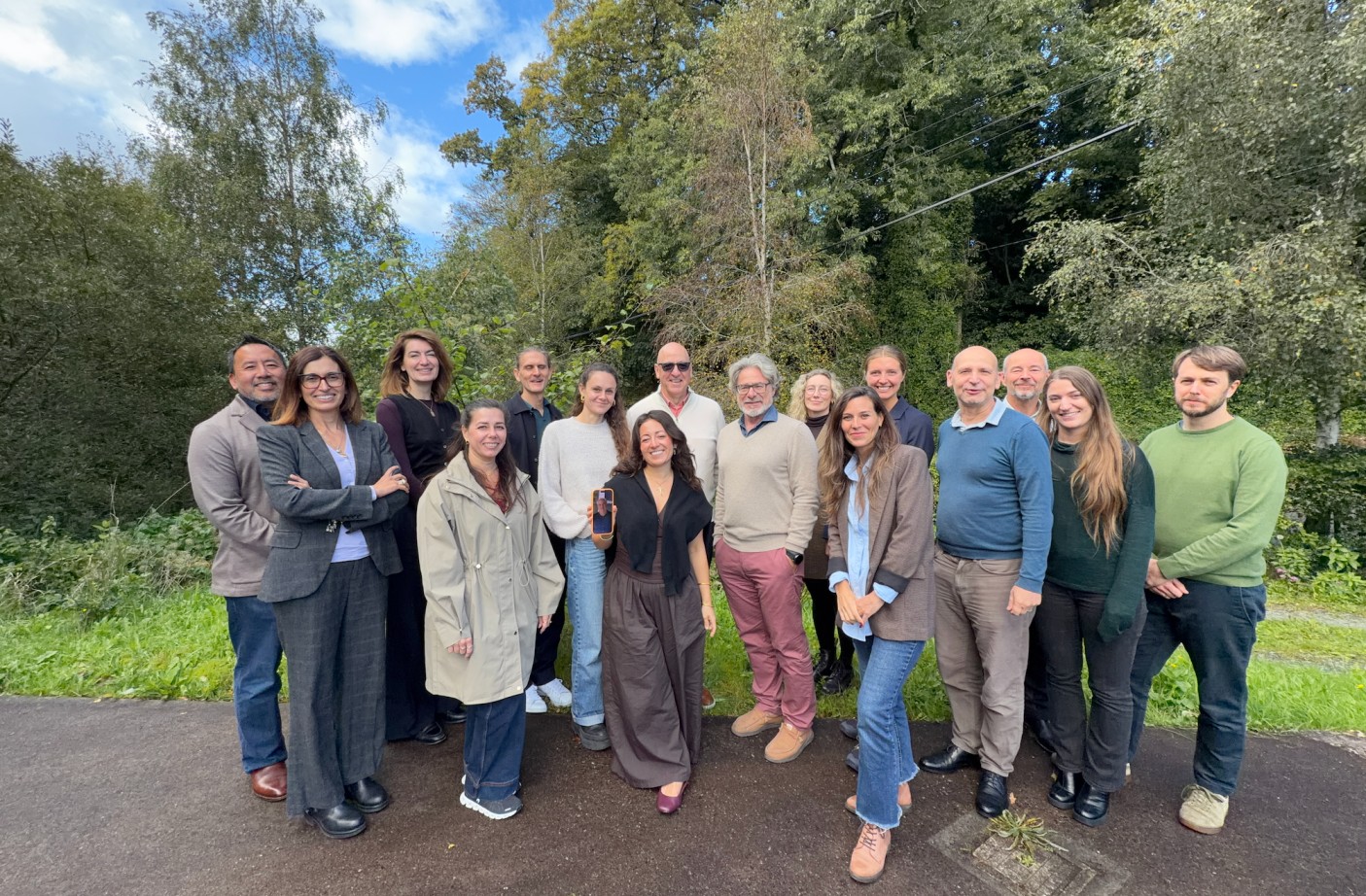
The Planetary Health Cluster spent the first week of October in Cork. Its five projects attended the WHO Summit of Mayors on Climate and Health on 5 and 6 October, ran two workshops for city and health practitioners, and stayed on for the cluster's annual meeting on 7 October. 
Find Out More
Mapping adaptation interventions for climate-sensitive diarrhoeal disease

Blog

Mapping adaptation interventions for climate-sensitive diarrhoeal disease

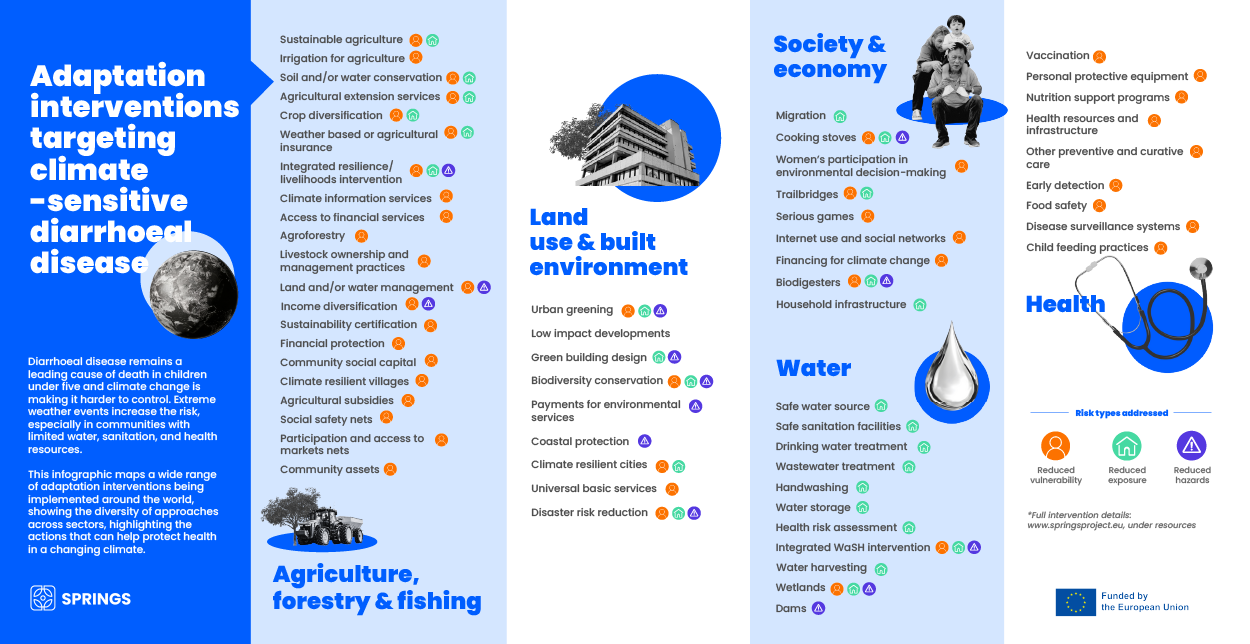
This article introduces a new SPRINGS mapping that brings together cross-sectoral adaptation interventions, offering a foundation for more integrated climate-resilient health decision-making.
Find Out More
Scientific Article: Nature-Based Solutions for Removal of Microplastics from Wastewater: Technologies, Challenges, and Prospects

Blog

Scientific Article: Nature-Based Solutions for Removal of Microplastics from Wastewater: Technologies, Challenges, and Prospects

A new review highlights how nature-based solutions such as constructed wetlands, green infrastructure, and aquatic plants can remove up to 100% of microplastics from wastewater. The study explores the promise, challenges, and future potential of sustainable, ecosystem-based strategies for tackling one of today’s most pressing pollution threats.
Find Out More

Formed By

Back To Top