The Planetary Health Cluster in Cork: WHO Summit of Mayors and annual meeting
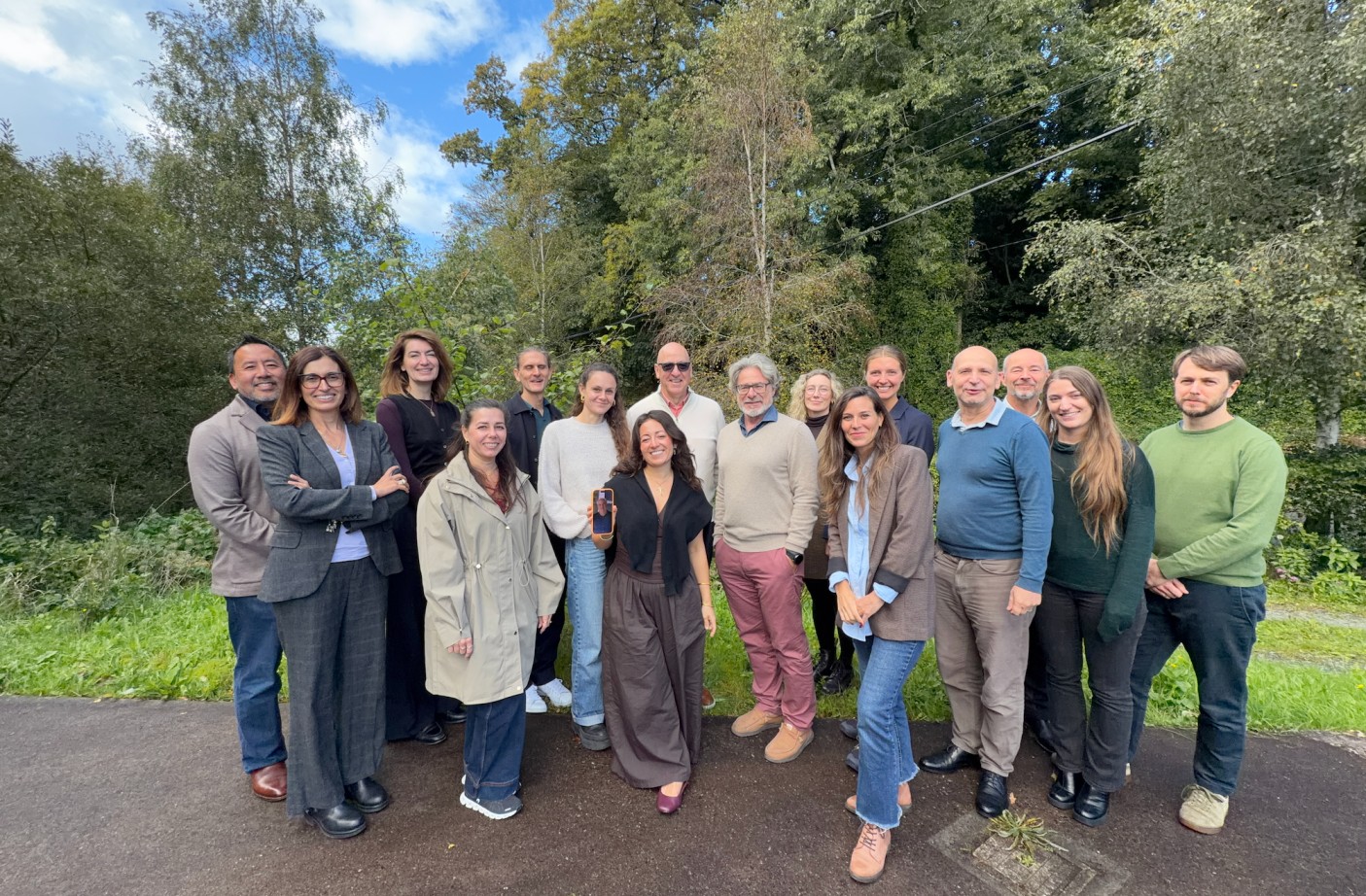
The Planetary Health Cluster spent the first week of October in Cork. Its five projects attended the WHO Summit of Mayors on Climate and Health on 5 and 6 October, ran two workshops for city and health practitioners, and stayed on for the cluster’s annual meeting on 7 October.
Cities at the centre of climate and health action
The WHO Summit of Mayors on Climate and Health brought mayors, political leaders, public health and environmental experts, practitioners and communities to Cork from across Europe. Held during Ireland’s Presidency of the Council of the European Union, it built on the recommendations of the WHO Pan-European Commission on Climate and Health, chaired by former Icelandic Prime Minister Katrín Jakobsdóttir.
The summit focused on turning policy ambitions into local action, and participants were invited to contribute to a Cork Compact on Climate & Health: a shared commitment to strengthen city-led action across Europe.
That is the space the cluster works in. Our five projects produce evidence on how climate change, biodiversity loss and pollution affect health, and much of it is meant to be used by the cities and regions that have to act on it. Across the two days, cluster members presented the projects and the cluster to the officials, practitioners and researchers attending.
GoGreen Next: nature in the city
Cork is one of GoGreen Next’s pilot cities, which made the summit a natural fit for the project. GoGreen Next ran a workshop on nature-based interventions in cities: how parks, trees, green roofs and other green and blue spaces can help cities meet their climate targets while protecting their residents’ health. Site visits also gave participants a look at some of the interventions already under way in Cork.
“Cities don’t need to choose between climate action and public health. Bringing nature back into streets and neighbourhoods does both, and Cork shows what that looks like in practice. The questions we heard in the workshop will feed directly into the next phase of our work with our pilot cities.”
Tadhg MacIntyre, Coordinator, GoGreen Next
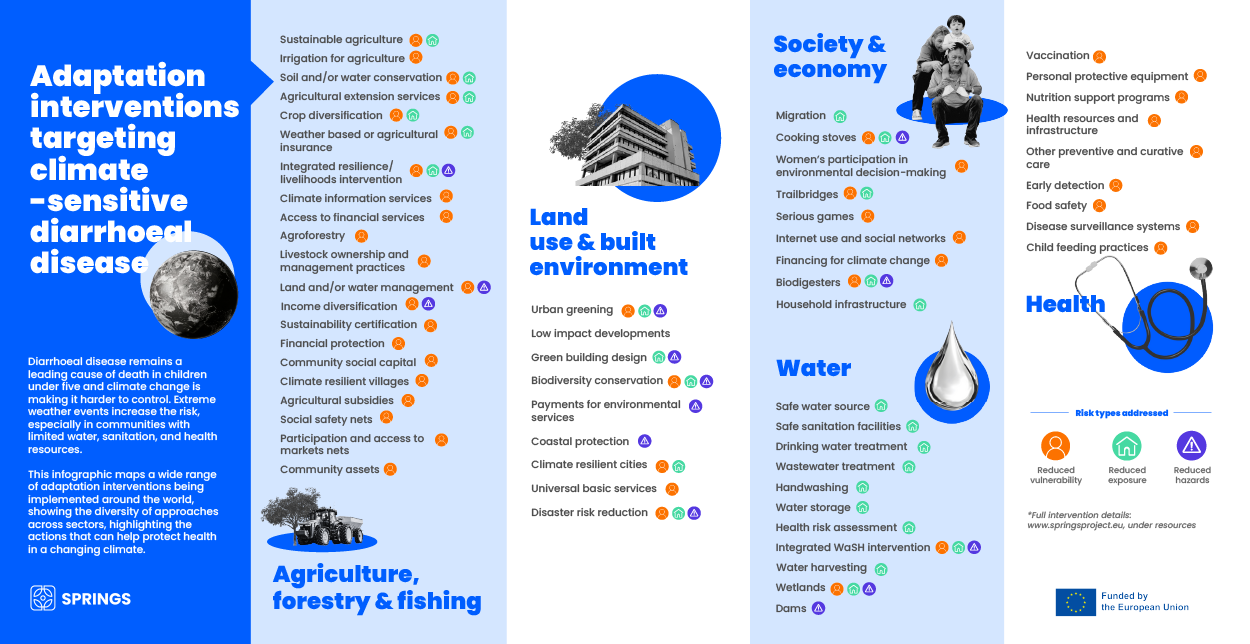
SPRINGS: heavy rain is coming, what does your city need to know?
On the evening of 6 October, SPRINGS ran a workshop at University College Cork. Participants worked through a real heavy-rain scenario and told the SPRINGS team what climate, water and health information they would need to act that week, and to plan for the years ahead.
The scenario set two kinds of decisions against each other. Long-term adaptation and planning asks how extreme weather will develop over the coming years. Short-term preparedness and response asks whether this year’s budget can absorb another emergency, and how to be better prepared next time. SPRINGS will run a second workshop in the same format online in December, to hear from decision-makers who couldn’t be in Cork and to fill the gaps the first session left open.
“Climate projections are only useful if they answer the questions people face. Hearing from decision-makers showed us where the gaps are, between what science can predict and what a city needs to decide this week or plan for over the next ten years.”
Rasmus Benestad, Norwegian Meteorological Institute, SPRINGS
SPRINGS studies how climate change drives water-borne diarrhoeal disease, and heavy rain is one of the main ways that risk reaches people, through flooding, overflowing sewers and contaminated water supplies.
The cluster’s annual meeting
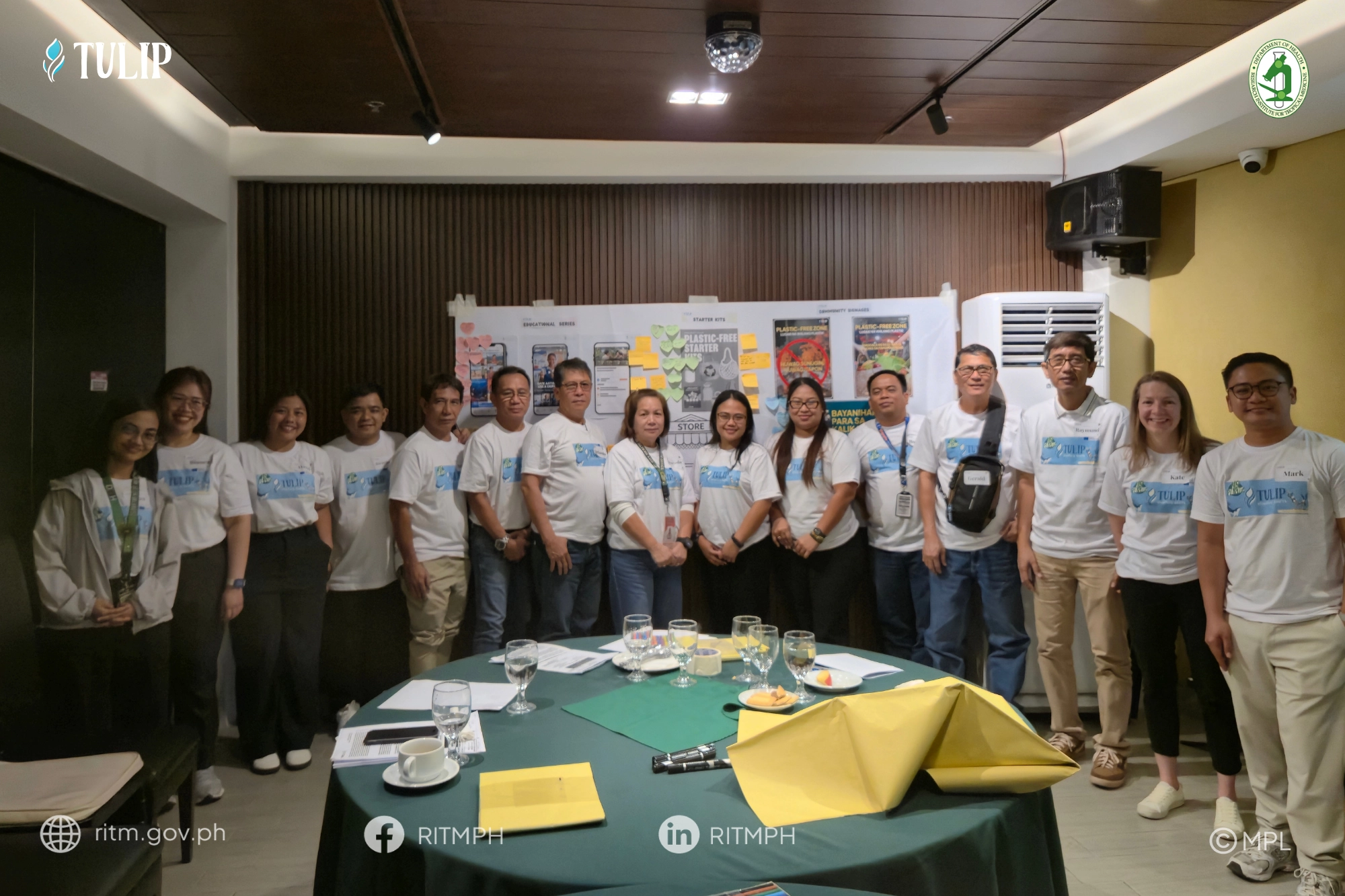
On 7 October, representatives of GoGreen Next, MOSAIC, PLANET4HEALTH, SPRINGS and TULIP met in Cork for the cluster’s annual meeting. They reviewed the year’s joint work and agreed the plan for the next one, which centres on three things:
- a second cluster policy brief
- a new series of workshops
- joint communication across the five projects
Coming straight from the summit, the meeting started from what the cities had asked for: evidence they can use to make decisions, in a form they can act on.
The Planetary Health Cluster brings together five projects funded by the European Union under Horizon Europe: GoGreen Next (101137209), MOSAIC (101137398), PLANET4HEALTH (101136652), SPRINGS (101137255) and TULIP (101136659).