The Planetary Health Cluster meets in the Netherlands and participates in PHAM 2025

The Planetary Health Cluster meets in the Netherlands and participates in PHAM 2025

Last week, the coordination board of the Planetary Health Cluster (PHC) met in Amsterdam for their annual meeting, hosted at Amsterdam UMC. The group gathered to review ongoing work, plan future activities, and continue shaping a shared understanding of what planetary health means for their network.

The discussions covered several key topics: preparing the next thematic workshop, identifying upcoming events for participation, setting up an international advisory board, and planning upcoming deliverables.

The following day, PHC members joined the Planetary Health Annual Meeting (PHAM2025) for a session led by the MOSAIC project on Planetary Health and Open Science: Experiences from the MOSAIC Project.

Open Science, as defined by UNESCO, is “a set of principles and practices that aim to make scientific research from all fields accessible to everyone for the benefit of scientists and society as a whole.” It is not only about open access to knowledge, but also about making the process of creating that knowledge inclusive, equitable, and sustainable.

The MOSAIC Horizon project brings this concept to life by promoting the health of cross-border populations in East Africa and the Amazon. It works with local communities to co-produce data and knowledge with scientists, helping people understand and use complex environmental and health information to design practical and sustainable adaptation and mitigation solutions.

Researchers must embrace interdisciplinarity and the co-production of knowledge with local stakeholders if they want to implement transformative actions that contributes to a healthy environment. – Emmanuel Roux, MOSAIC Project Coordinator.

Learn more about Mosaic here: https://www.mosaic-planetaryhealth.eu

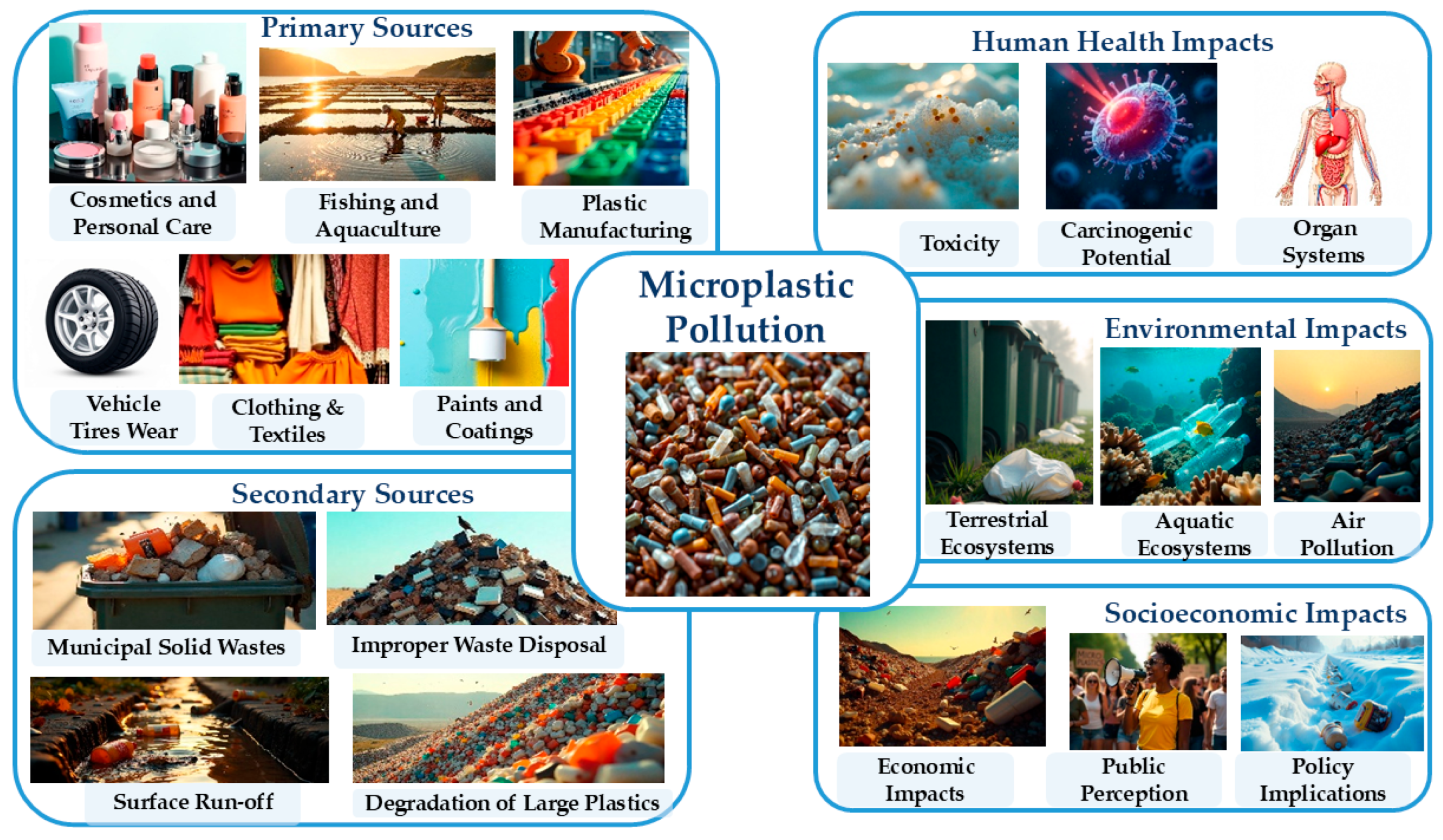
Scientific Article: Nature-Based Solutions for Removal of Microplastics from Wastewater: Technologies, Challenges, and Prospects

Blog

Scientific Article: Nature-Based Solutions for Removal of Microplastics from Wastewater: Technologies, Challenges, and Prospects

A new review highlights how nature-based solutions such as constructed wetlands, green infrastructure, and aquatic plants can remove up to 100% of microplastics from wastewater. The study explores the promise, challenges, and future potential of sustainable, ecosystem-based strategies for tackling one of today’s most pressing pollution threats.
Find Out More
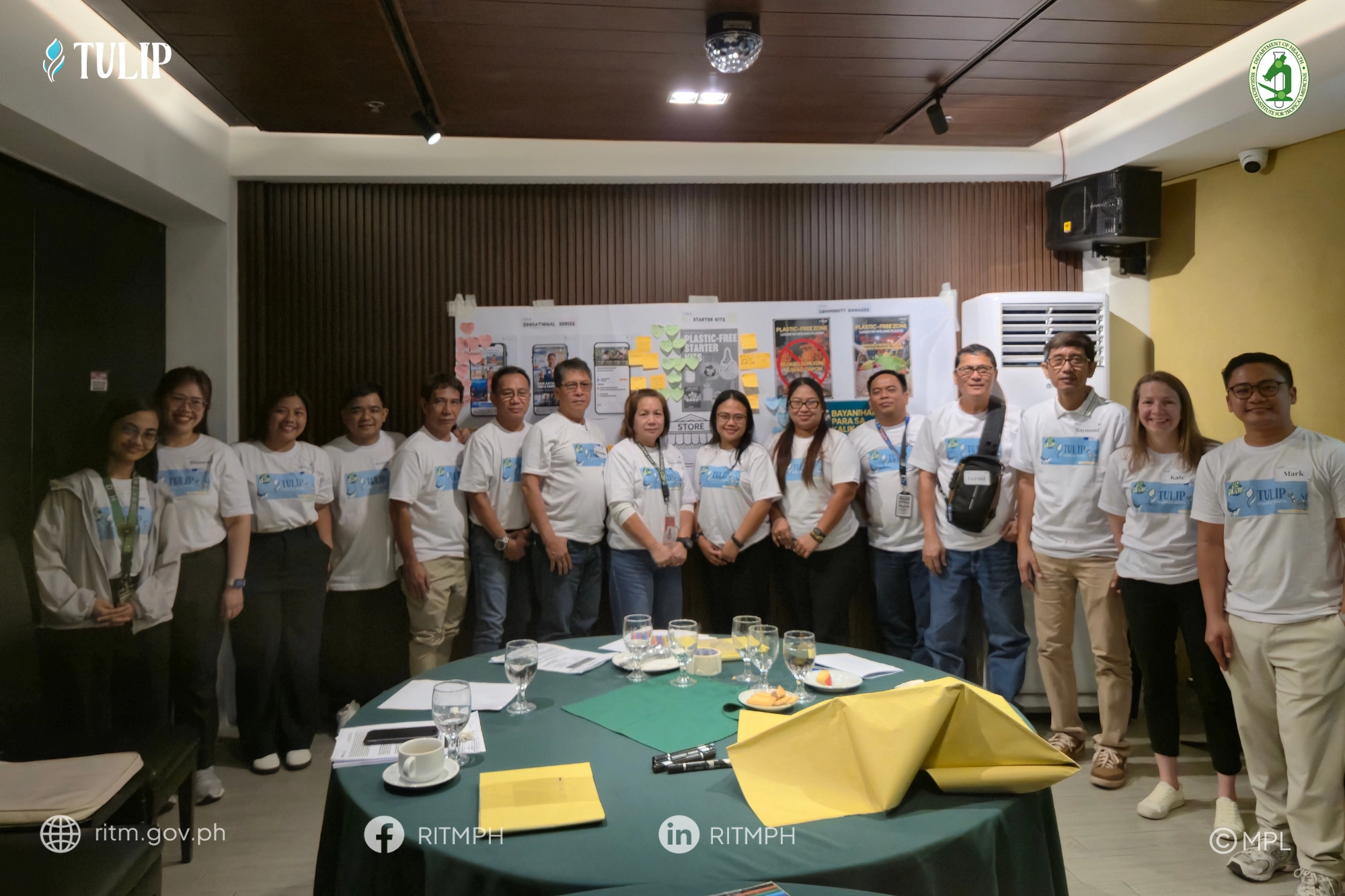
Locals Lead Charge in Co-Designing Solutions to tackle AMR, Plastic Pollution, Climate Change

Blog, Events

Locals Lead Charge in Co-Designing Solutions to tackle AMR, Plastic Pollution, Climate Change

Local stakeholders in Dagupan City joined Project TULIP’s human-centered design workshop to co-create community-based interventions addressing antimicrobial resistance, plastic pollution, and climate change. Through creative feedback, rapid prototyping, and prioritization activities, participants helped shape locally tailored solutions grounded in community needs and planetary health.
Find Out More
From definition to action: highlights from Cluster workshop on data and modelling approaches for Planetary Health

Blog

From definition to action: highlights from Cluster workshop on data and modelling approaches for Planetary Health

The Planetary Health Cluster organised its second Thematic Workshop bringing together the cluster’s projects’ modellers, researchers and policy specialists in Heidelberg for two days of dialogue to answer the question: how can data and modelling approaches best serve Planetary Health?
Find Out More

Formed By

Back To Top