Water Sampling in the Philippines
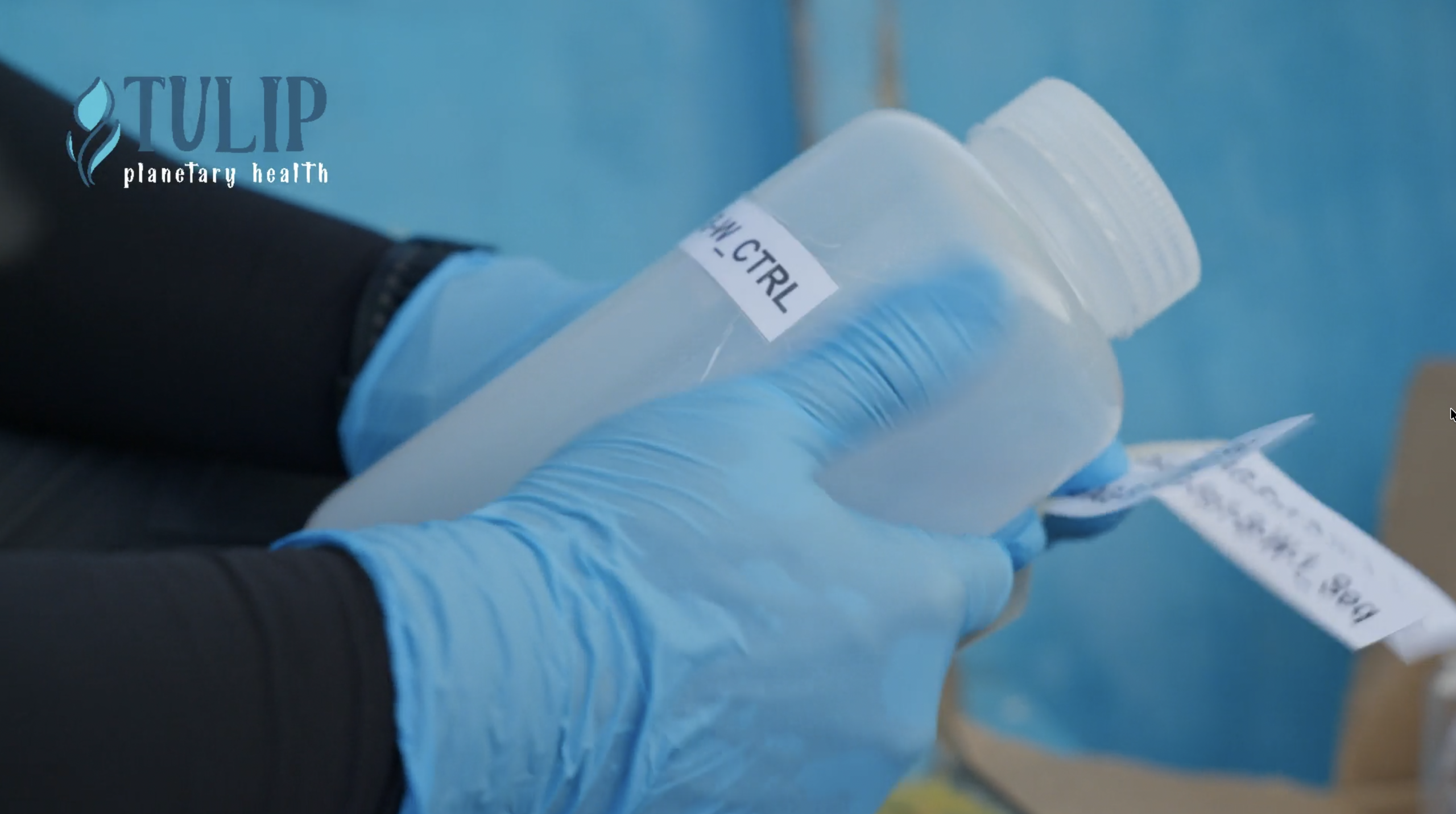
Water Sampling in the Philippines
Field campaigns in the Philippines sit at the heart of TULIP’s mission to understand how antimicrobial resistance (AMR), plastic pollution, and climate pressures intersect in aquatic systems. This post accompanies a short film from our latest sampling trip and offers context on what we collect, how we work with communities, and why these data matter for health and ecosystems.
Why the Philippines?
Coastal and riverine communities in the Philippines experience intense rainfall events and powerful currents that can move plastics, pathogens, and nutrients quickly from land to sea. Studying these dynamics in contrasting settings—from busy estuaries to quieter mangrove creeks—helps us see how resistant bacteria and microplastics travel, settle, and re-enter food and water pathways.
How we sample
To capture a full picture, teams visit sites during baseline conditions and after storms. At each location we take:
- Water and sediment (paired, in triplicate) for culture-based microbiology, DNA/RNA extraction, and chemical analyses.
- Microplastic fractions using plankton nets/manta trawls and grab samples, later characterised by microscopy and polymer fingerprinting (e.g., FTIR/Raman).
- In-situ parameters—temperature, salinity, dissolved oxygen, turbidity, conductivity—and flow information to anchor results in local hydrology.
Strict sterile technique, field blanks, and chain-of-custody procedures ensure data quality across sites and seasons.
What we look for
Back in the lab, samples move through a coordinated workflow:
- Indicator organisms and pathogens: culture and phenotypic resistance profiles for organisms such as E. coli, Enterococci, and selected opportunistic pathogens.
- Resistance genes: qPCR panels for priority antimicrobial resistance genes, complemented by shotgun metagenomics and plasmid sequencing to track gene mobility.
- Antibiotic residues and co-contaminants: targeted LC–MS/MS screens to understand selection pressures in the water column and sediments.
- Microplastics: counts by size class, morphology (fibres, fragments, films, beads) and polymer type, with biofilm assessment to see where microbes concentrate.
Working with local knowledge
Sampling plans are co-designed with local partners—barangay leaders, fisher associations, and schools—so we capture places and moments that matter to daily life (fish landing sites, irrigation intakes, flood-prone crossings). Community teams operate simple litter and biofilm traps, log observations via mobile apps, and join shoreline walks that transform lived experience into spatial data.
From vials to decisions
All measurements feed into TULIP’s modelling suite to identify “risk corridors” and priority interventions. Results inform options such as targeted wetland restoration, litter-catch devices at strategic bridges, or adjustments to wastewater operations before peak storm seasons. In short, each bottle and sediment core advances practical choices that protect both people and ecosystems.
Watch the fieldwork on TULIP