Science Translation for Policy and Practice

Science Translation for Policy and Practice
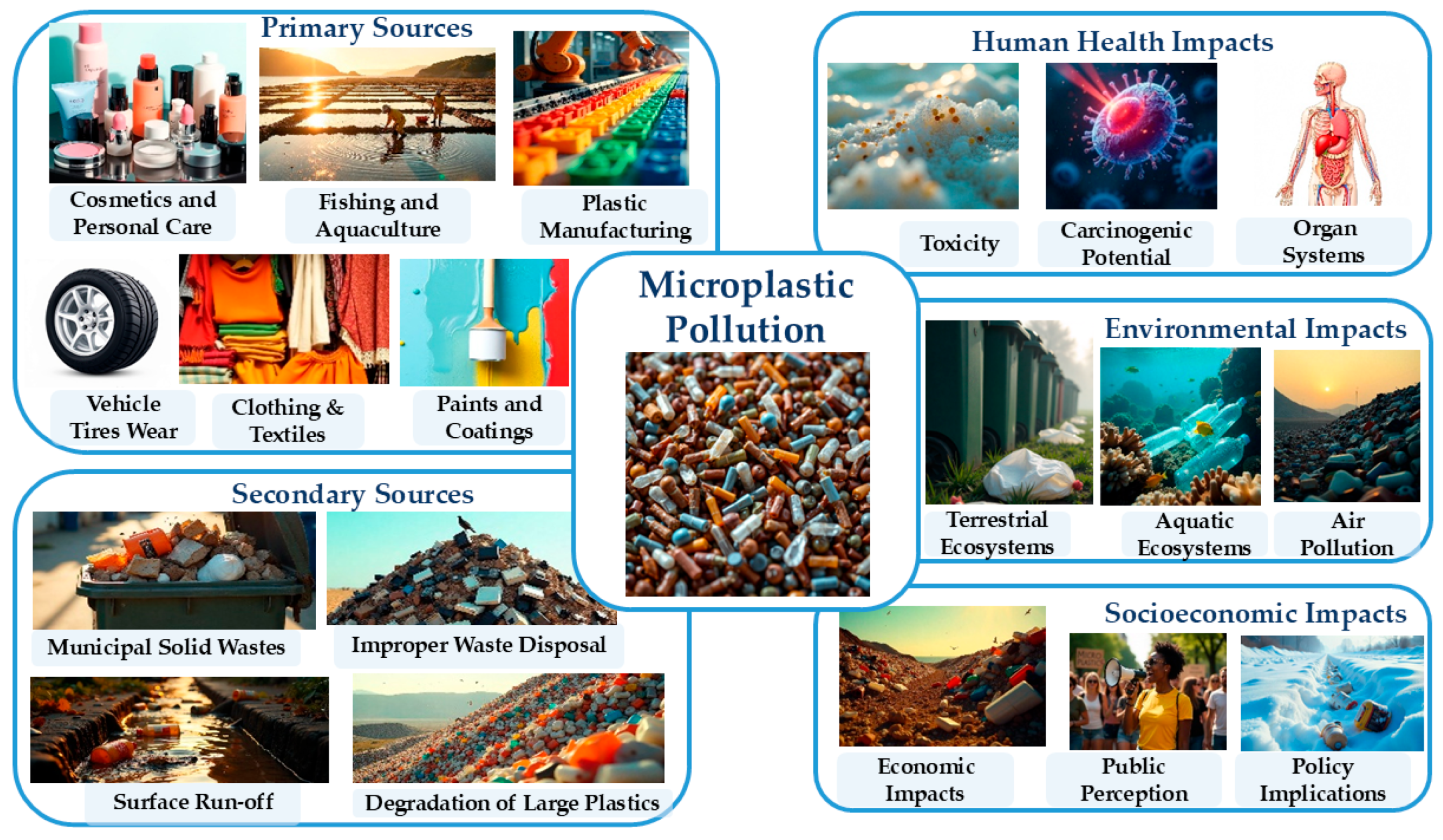
Scientific Article: Nature-Based Solutions for Removal of Microplastics from Wastewater: Technologies, Challenges, and Prospects

Blog

Scientific Article: Nature-Based Solutions for Removal of Microplastics from Wastewater: Technologies, Challenges, and Prospects

A new review highlights how nature-based solutions such as constructed wetlands, green infrastructure, and aquatic plants can remove up to 100% of microplastics from wastewater. The study explores the promise, challenges, and future potential of sustainable, ecosystem-based strategies for tackling one of today’s most pressing pollution threats.
Find Out More

Locals Lead Charge in Co-Designing Solutions to tackle AMR, Plastic Pollution, Climate Change

Blog, Events

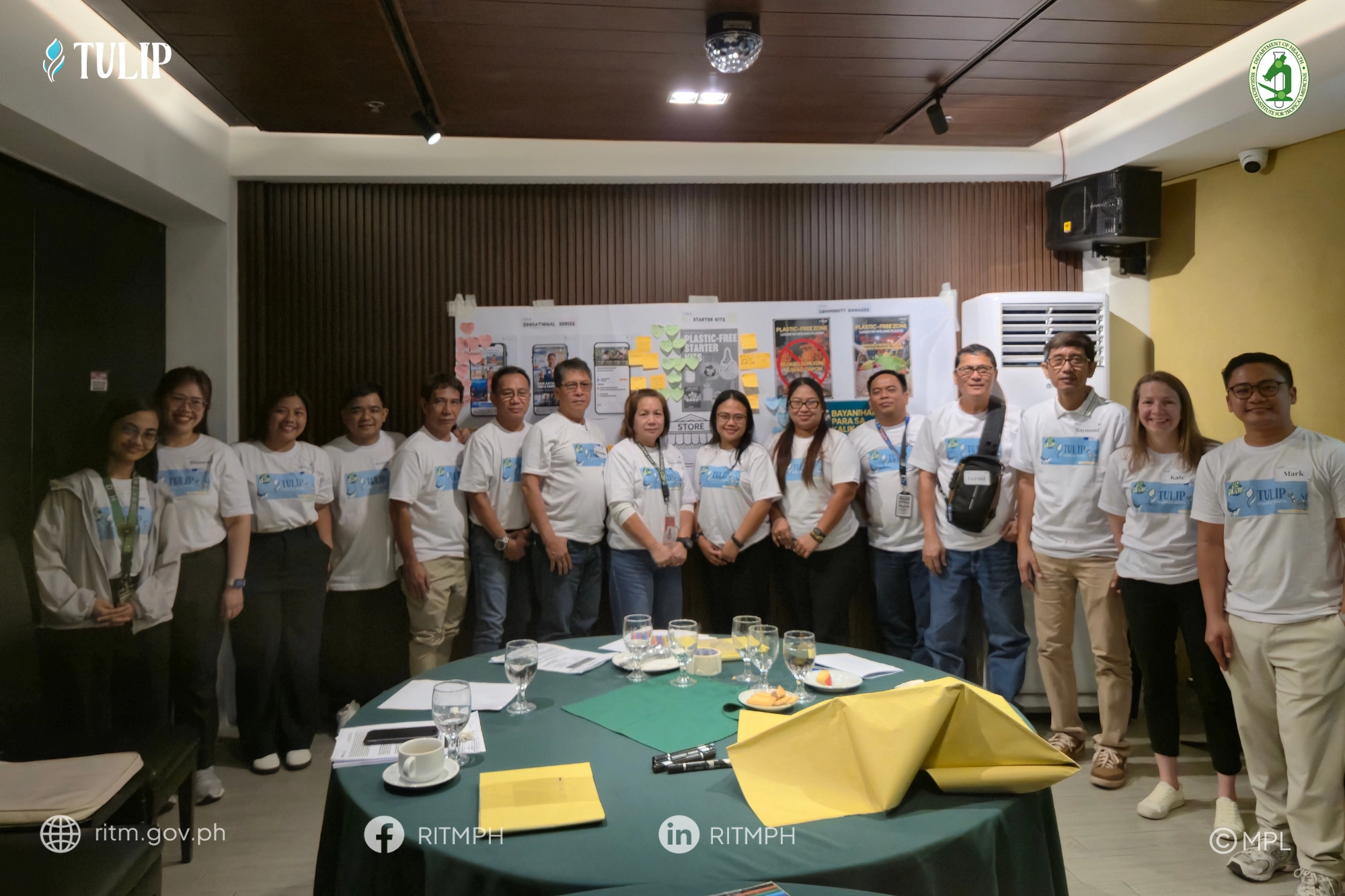
Locals Lead Charge in Co-Designing Solutions to tackle AMR, Plastic Pollution, Climate Change

Local stakeholders in Dagupan City joined Project TULIP’s human-centered design workshop to co-create community-based interventions addressing antimicrobial resistance, plastic pollution, and climate change. Through creative feedback, rapid prototyping, and prioritization activities, participants helped shape locally tailored solutions grounded in community needs and planetary health.
Find Out More
From definition to action: highlights from Cluster workshop on data and modelling approaches for Planetary Health

Blog

From definition to action: highlights from Cluster workshop on data and modelling approaches for Planetary Health

The Planetary Health Cluster organised its second Thematic Workshop bringing together the cluster’s projects’ modellers, researchers and policy specialists in Heidelberg for two days of dialogue to answer the question: how can data and modelling approaches best serve Planetary Health?
Find Out More

Formed By

Back To Top