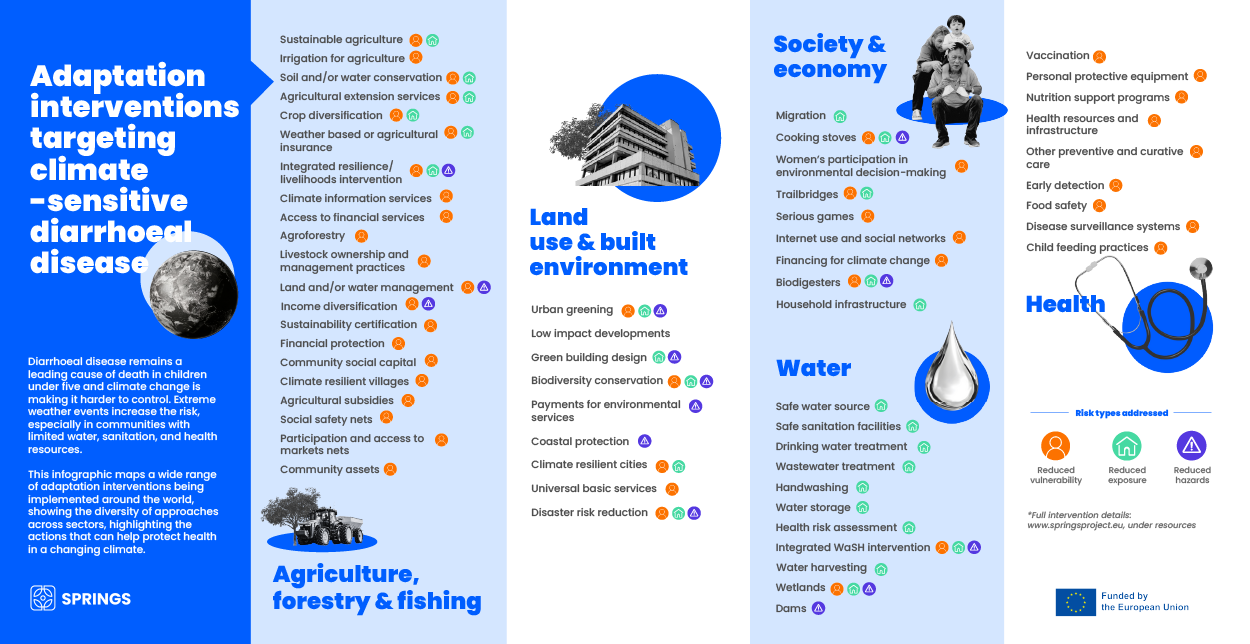
This article introduces a new SPRINGS mapping that brings together cross-sectoral adaptation interventions, offering a foundation for more integrated climate-resilient health decision-making.
Category: Blog
Scientific Article: Nature-Based Solutions for Removal of Microplastics from Wastewater: Technologies, Challenges, and Prospects
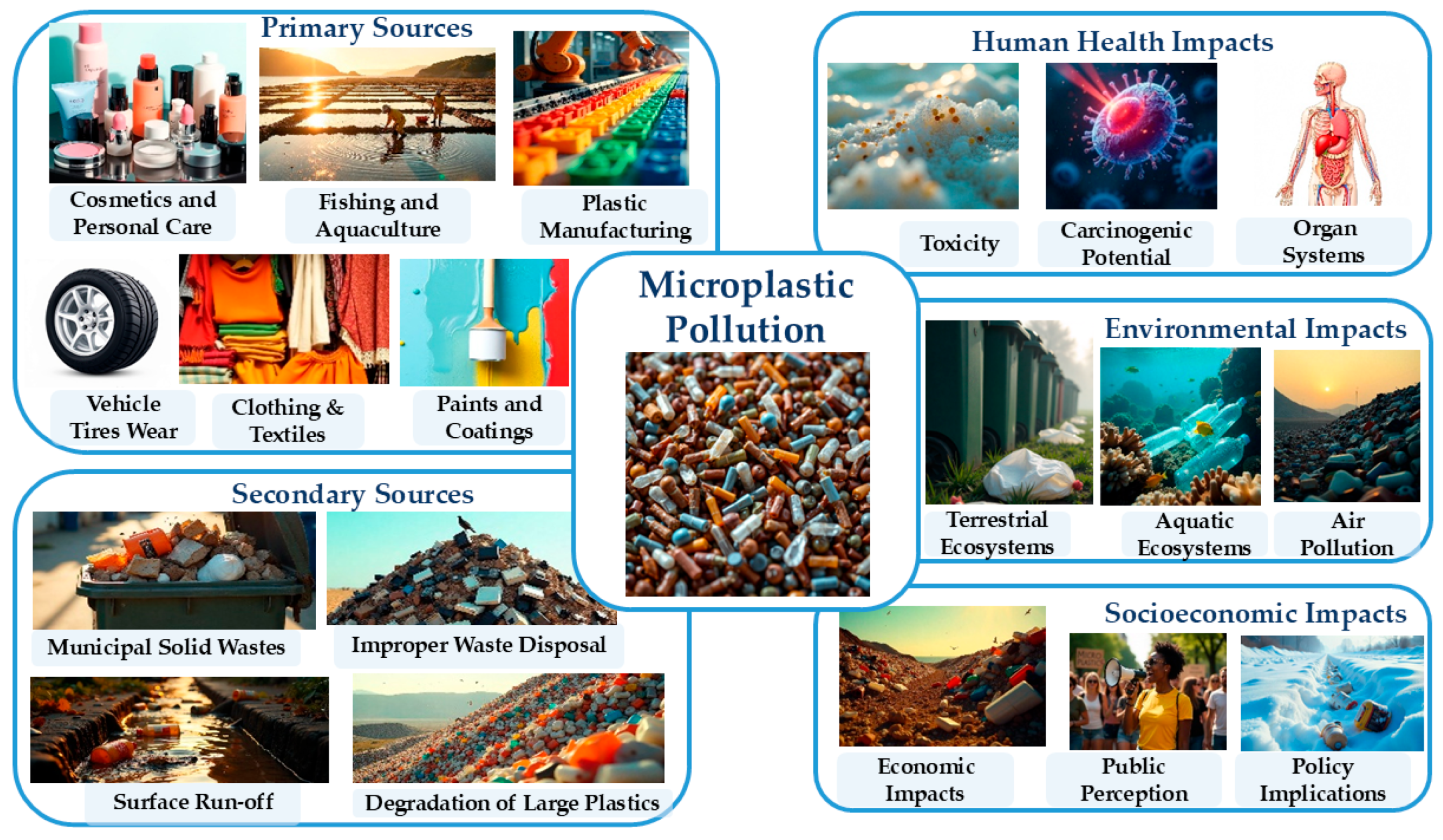
A new review highlights how nature-based solutions such as constructed wetlands, green infrastructure, and aquatic plants can remove up to 100% of microplastics from wastewater. The study explores the promise, challenges, and future potential of sustainable, ecosystem-based strategies for tackling one of today’s most pressing pollution threats.
Locals Lead Charge in Co-Designing Solutions to tackle AMR, Plastic Pollution, Climate Change
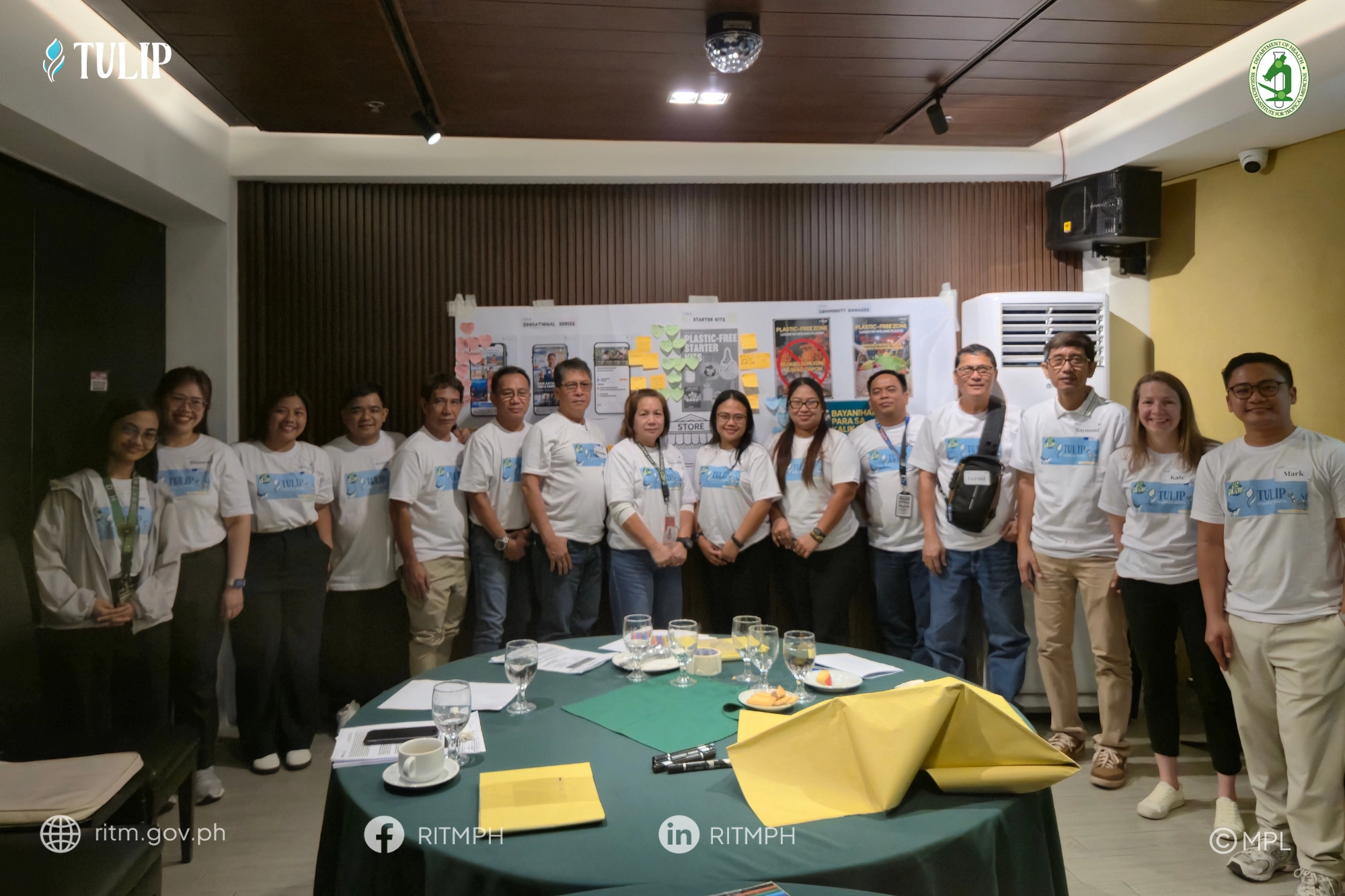
Local stakeholders in Dagupan City joined Project TULIP’s human-centered design workshop to co-create community-based interventions addressing antimicrobial resistance, plastic pollution, and climate change. Through creative feedback, rapid prototyping, and prioritization activities, participants helped shape locally tailored solutions grounded in community needs and planetary health.
From definition to action: highlights from Cluster workshop on data and modelling approaches for Planetary Health

The Planetary Health Cluster organised its second Thematic Workshop bringing together the cluster’s projects’ modellers, researchers and policy specialists in Heidelberg for two days of dialogue to answer the question: how can data and modelling approaches best serve Planetary Health?
Living well on a healthy planet: Our new policy brief on planetary health and citizen engagement
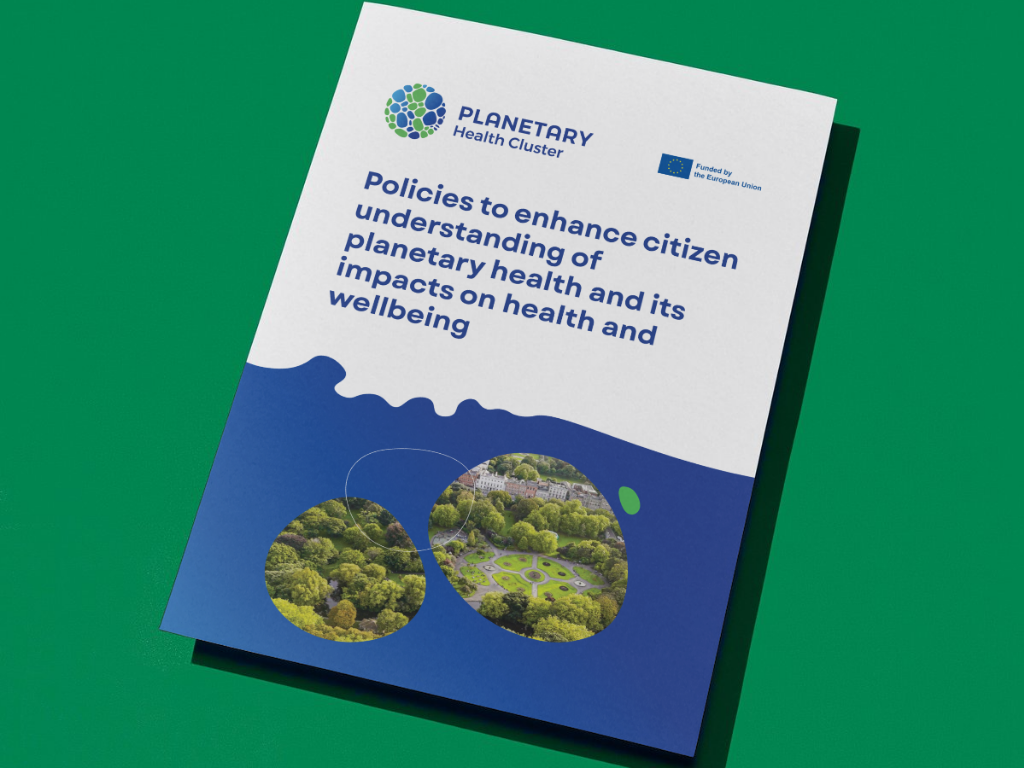
In our recently released policy brief, we, as the Planetary Health Cluster, set out why this matters now for Europe and what needs to change to close the gap between policy ambition and real‑world impact.
Water Sampling in the Philippines
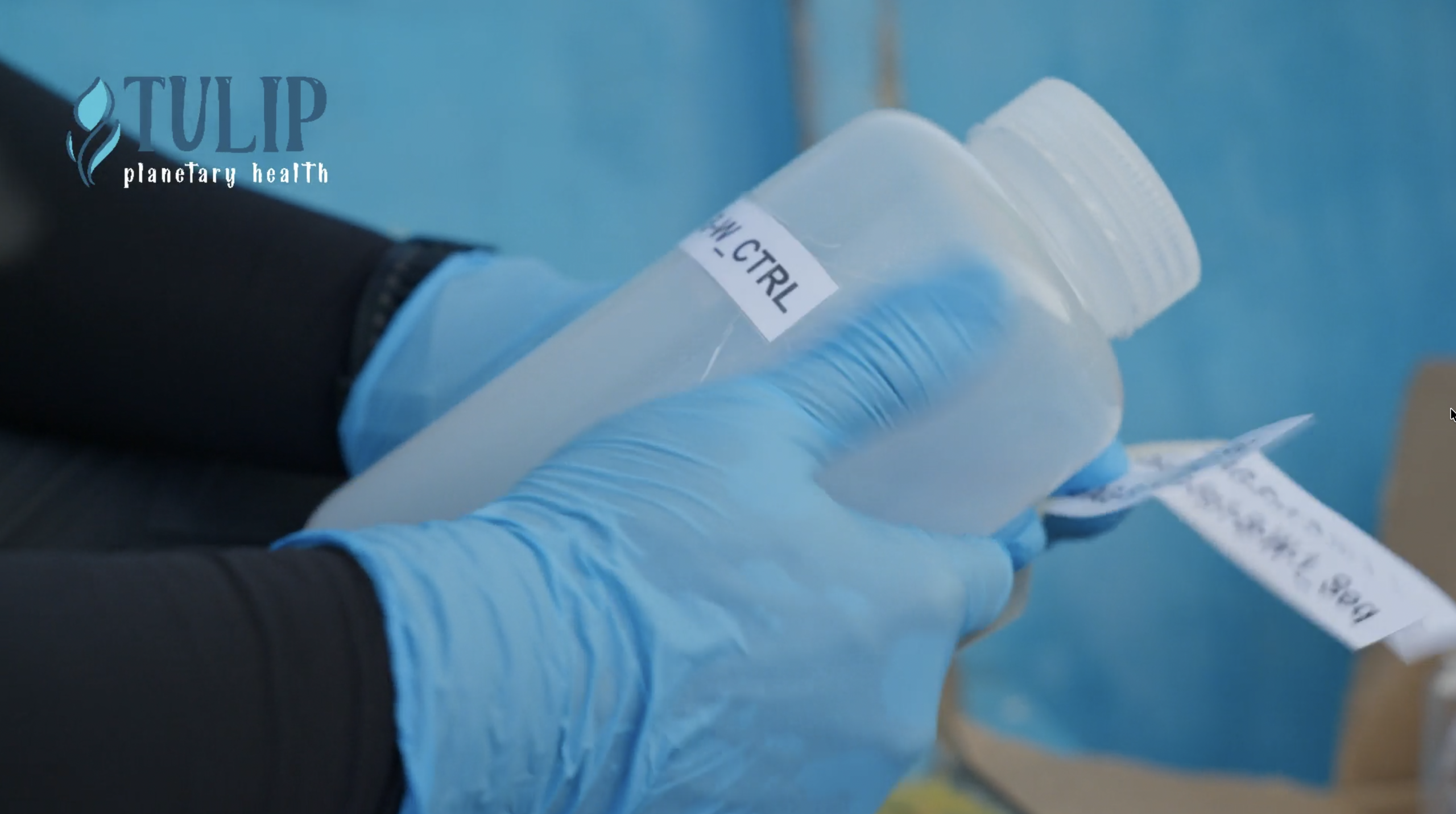
With local partners, TULIP samples Philippine waters to track antimicrobial resistance and microplastics, turning field data into risk maps that guide targeted, community-led action.
Citizen Science Campaign — Science in Action, Community in Charge (TULIP)

Two intensive days at ISS and the Aniene River where scientists and citizens teamed up to monitor water quality, sample plastics and pathogens, and turn learning into local action.
The Planetary Health Cluster meets in the Netherlands and participates in PHAM 2025

Last week, the coordination board of the Planetary Health Cluster (PHC) met in Amsterdam for their annual meeting, hosted at Amsterdam UMC. The group gathered to review ongoing work, plan future activities, and continue shaping a shared understanding of what planetary health means for their network.
What do we mean by climate change adaptation, and how SPRINGS is helping shape the response?

Climate change is already disrupting lives worldwide, making adaptation measures, such as resilient infrastructure, land restoration, and water safety planning, essential to protect both communities and ecosystems. The SPRINGS project contributes to this effort by addressing the impacts of climate change on waterborne diarrheal diseases, ensuring that health remains central to adaptation strategies.
Interview series – Discover the TULIP project

Dr Marina Treskova @University of Heidelberg and Joacim Rocklöv @University of Heidelberg, TULIP Coordinators, tell us more about the project and its relation with the Cluster.